Project Controls Fundamentals: The Operating System of Successful Capital Projects

What project controls actually is
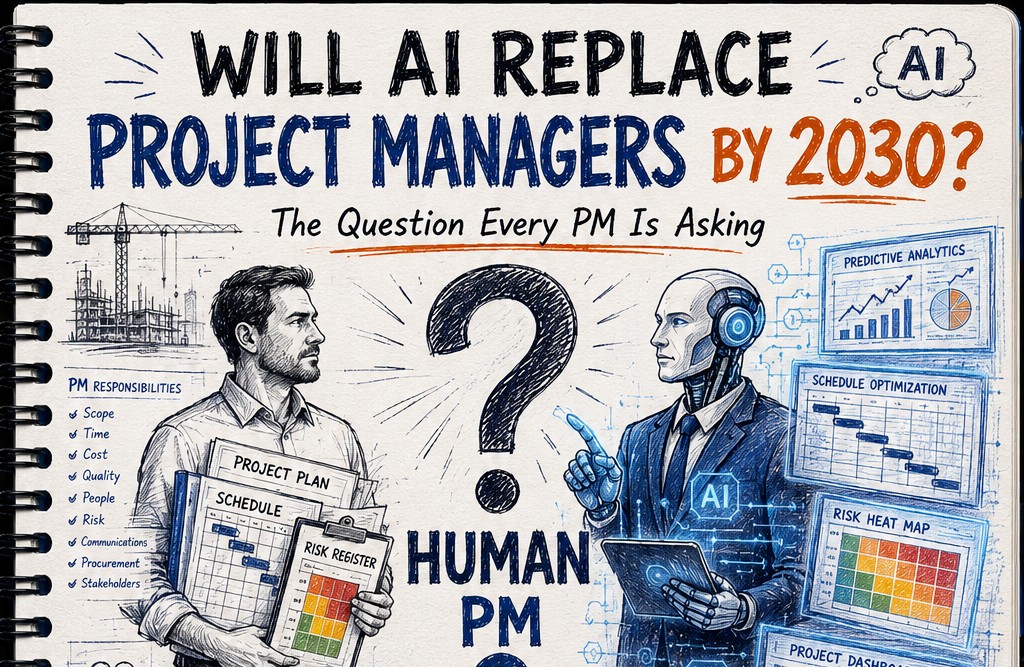
Project controls is often confused with project management, but the two are different. Project management is the broader leadership discipline of getting work done through people; project controls is the analytical backbone that tells project management whether the work is on track, what it will cost to finish, and where the next surprise is likely to come from. Where management is about decisions, controls is about evidence.
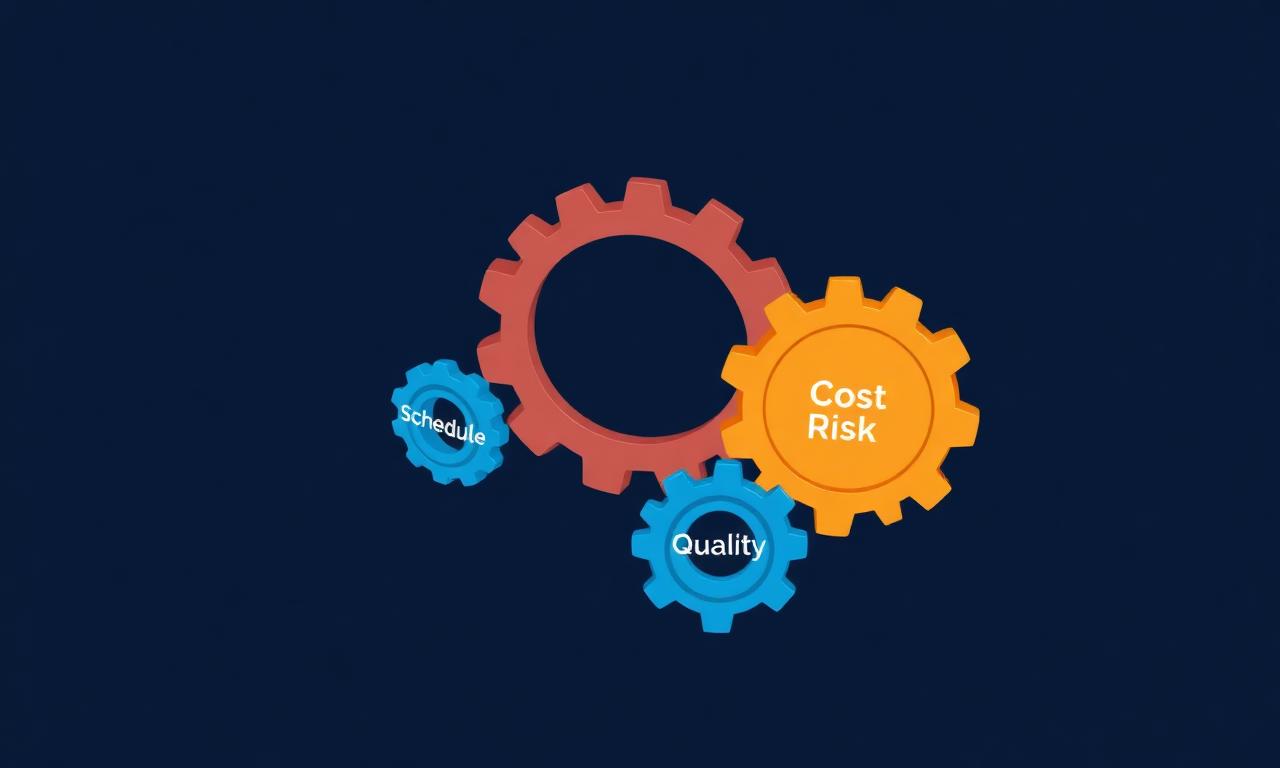
Modern controls functions span six interlocking disciplines: scope, schedule, cost, risk, quality and reporting. Each discipline has its own tools, but they only become powerful when they are integrated. A schedule update with no cost integration is a Gantt chart; a cost report with no schedule context is a spreadsheet; an EVM curve with neither is a vanity metric. The job of a controls professional is to weave these threads into a single, defensible story about the project.
Scope: the source of truth
Every controls system rests on a defined scope. Without a baseline scope, there is nothing meaningful to schedule, cost, or measure against. A robust scope definition uses a work breakdown structure (WBS) that decomposes deliverables into manageable work packages, each with a clear owner, a measurable completion criterion and an estimated effort.
The WBS is also the bridge to every other discipline. Schedule activities roll up to work packages; cost accounts roll up to the same packages; risks are tagged to packages; quality checkpoints are written against deliverables. When scope changes — and it always does — controls professionals trace the impact through that same hierarchy, which is why a clean WBS pays back ten times over the life of the project.
Schedule: time is the easiest thing to lose
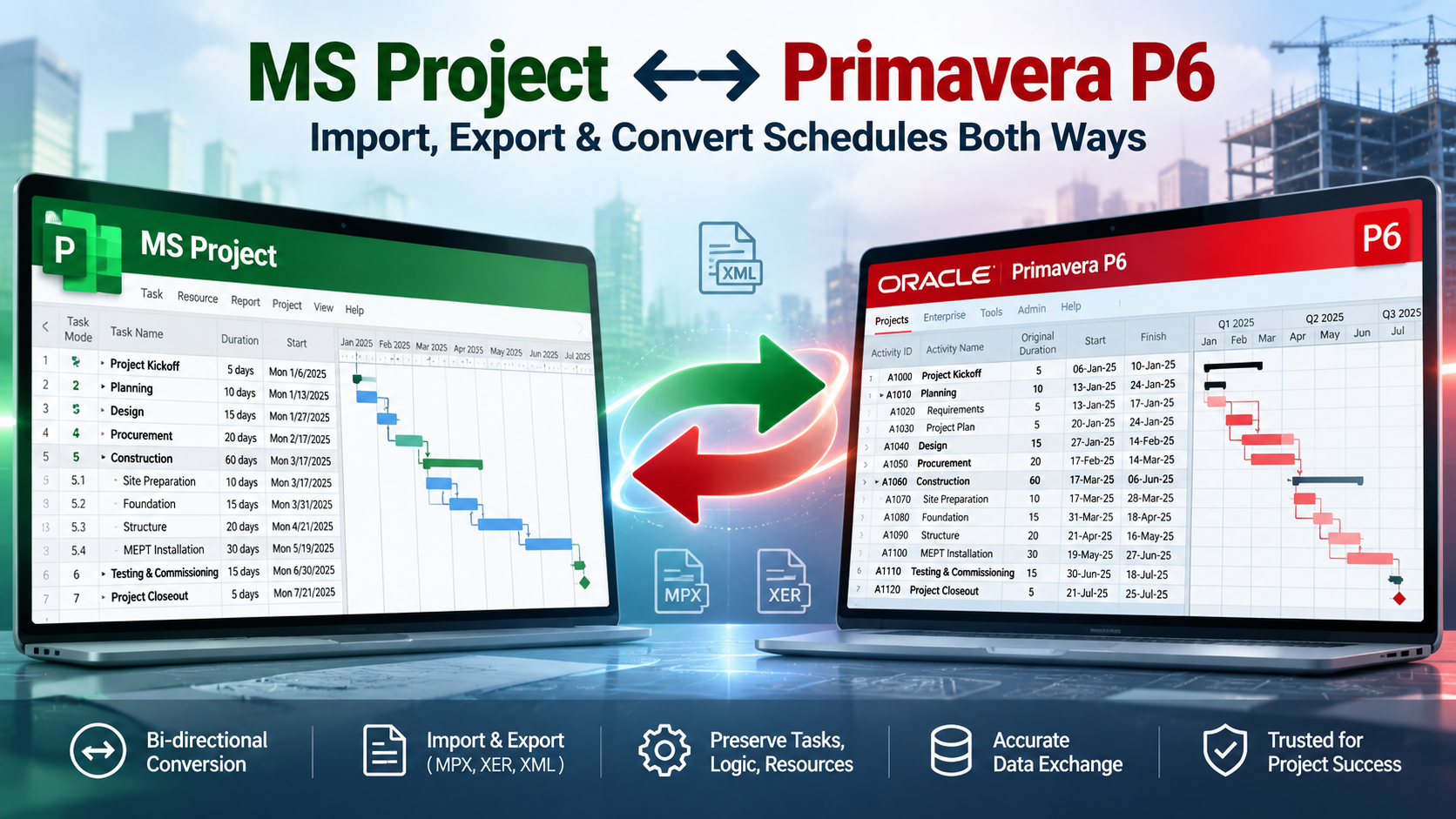
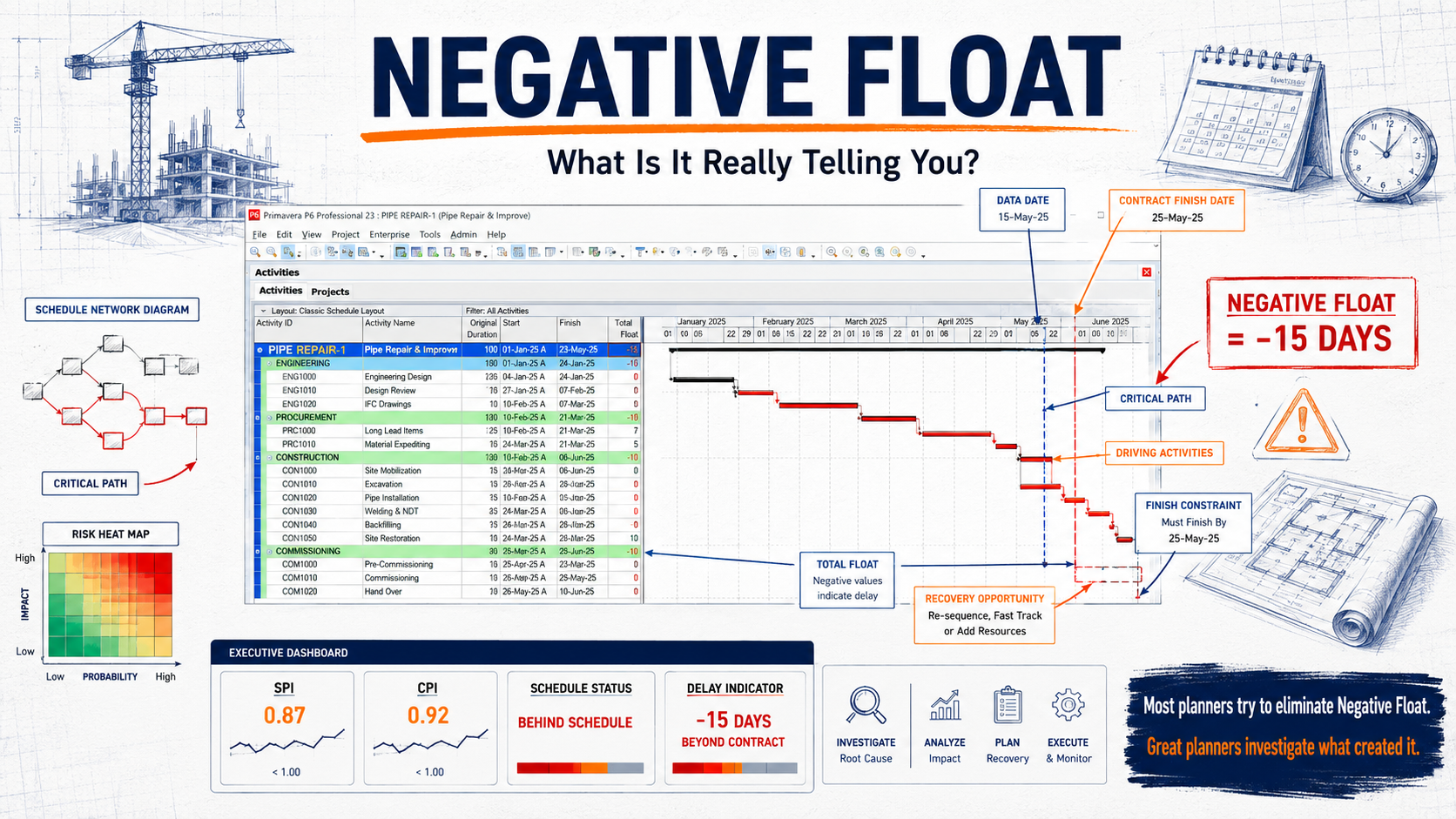
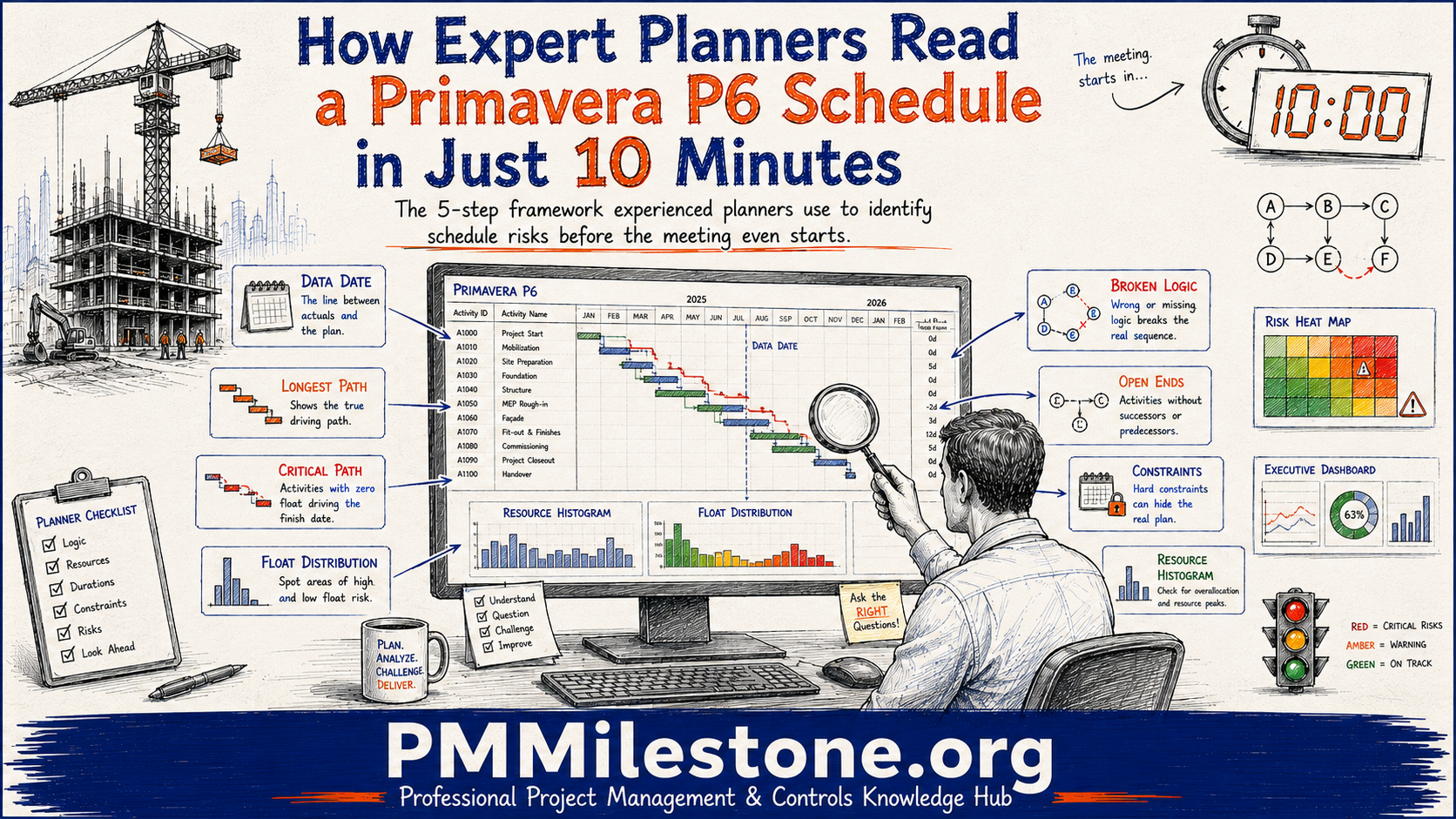
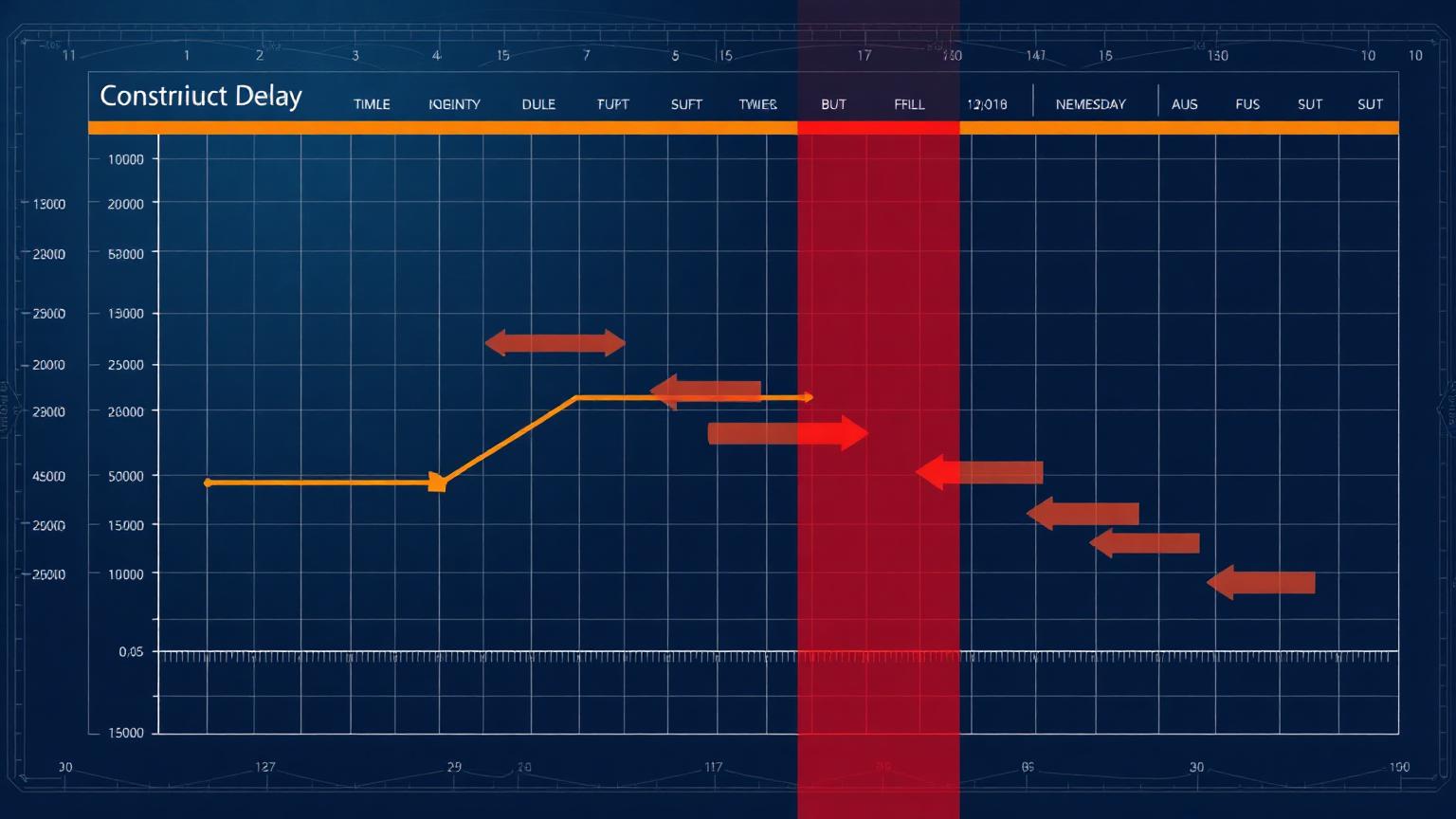
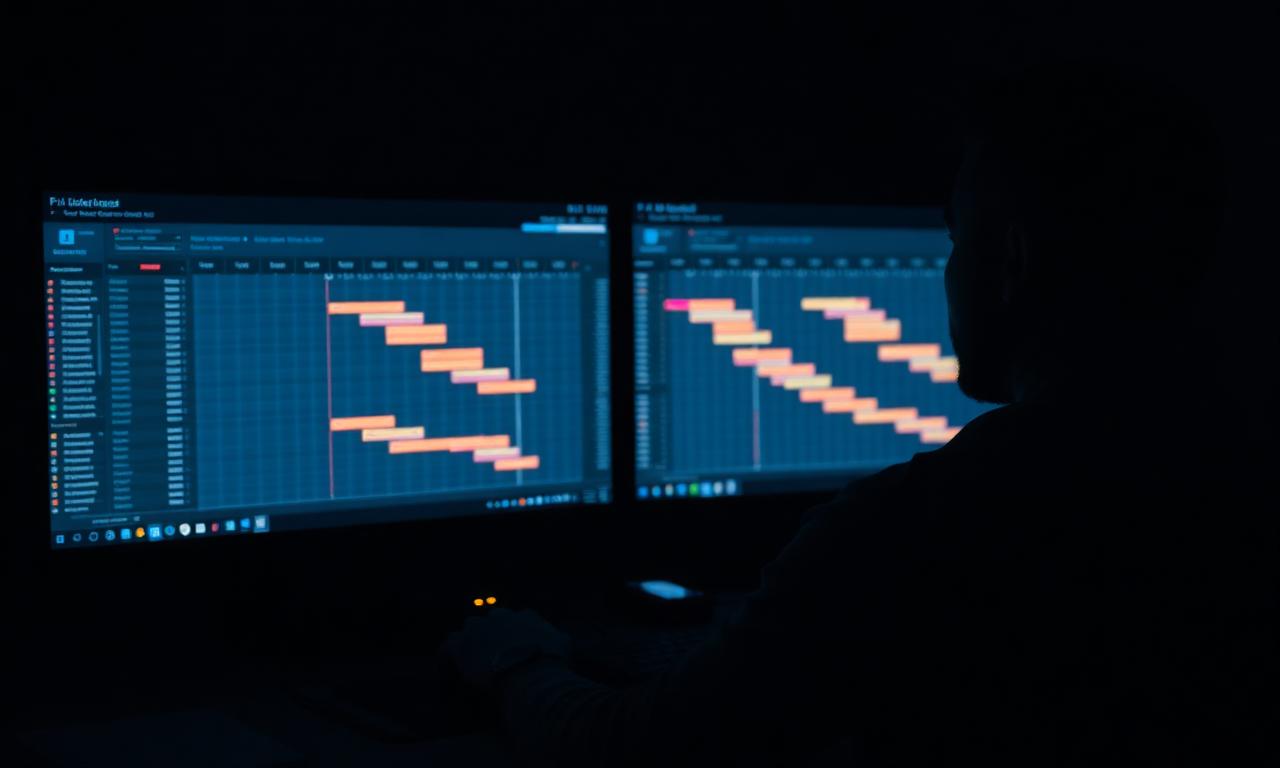
Schedule is the discipline most people associate with controls, but it is also the one most commonly misused. A schedule is not a Gantt chart; it is a logical network of activities with durations, dependencies, resources and constraints. Critical path method (CPM) analysis identifies the longest chain of dependent work and therefore the activities that genuinely drive the end date. Float — the amount of slack in non-critical paths — is the early warning system that tells you where risk is building before it shows up in the headline date.
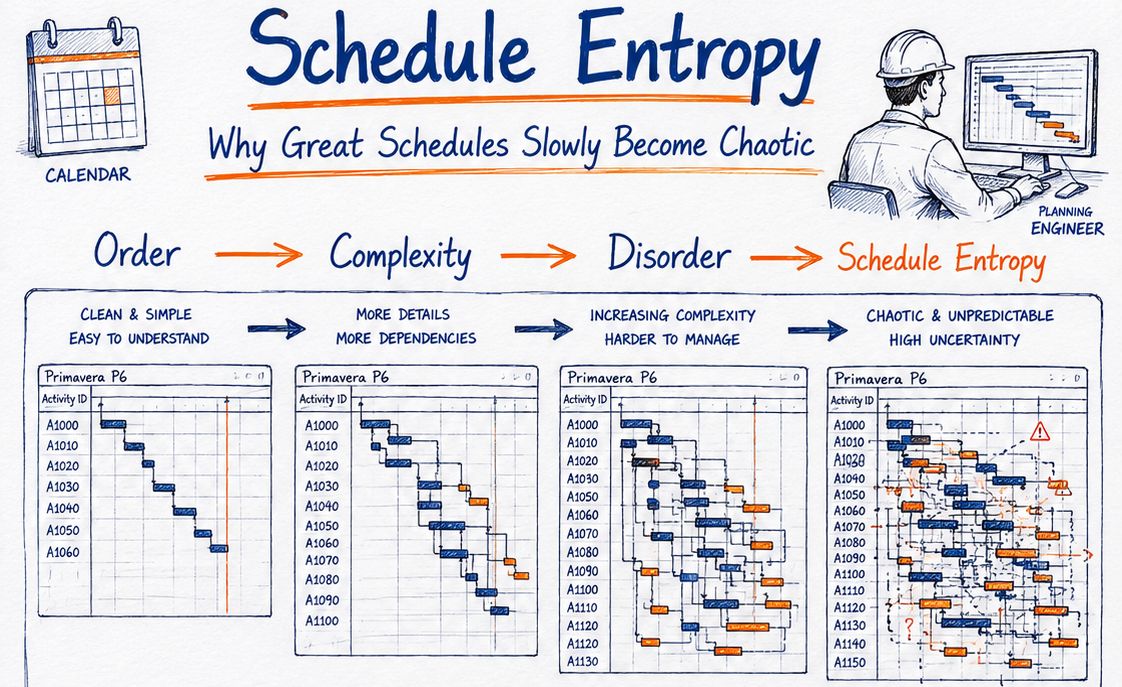
Healthy scheduling practice means a stable baseline, a disciplined update cycle, and clear rules for how progress is measured. The most common failure mode in capital projects is not a single big slip; it is the slow erosion of float over many updates, which leaves no buffer when a real disruption arrives.
Cost: forecasting is harder than reporting
Cost management has two faces. The reporting face is straightforward: track commitments, accruals, actuals and variances against the budget. The forecasting face is far harder: predict what the project will actually cost to complete given current performance, known risks and the realistic behaviour of suppliers, contractors and approval bodies.
Strong cost engineering combines bottom-up estimating with top-down sanity checks, uses earned value to translate physical progress into a financial position, and keeps a clear separation between budget, commitment, actual and forecast. The single most valuable cost output is not the variance number — it is a credible estimate at completion (EAC) that the project board can act on.
Risk and quality: the disciplines people skip
Risk and quality are the two disciplines most often degraded under deadline pressure, and they are precisely the disciplines that pay back most when a project is in trouble. A working risk register is not a spreadsheet that gets refreshed once a quarter; it is a living tool that quantifies exposure, drives contingency reserve sizing and informs every forecast.
Quality controls protect the value that schedule and cost are trying to deliver. Inspection and test plans, non-conformance tracking and lessons-learned loops convert errors into knowledge instead of rework. Together with risk, they turn project controls from a backward-looking reporting function into a forward-looking decision-support function.
Reporting: the discipline that makes the others matter
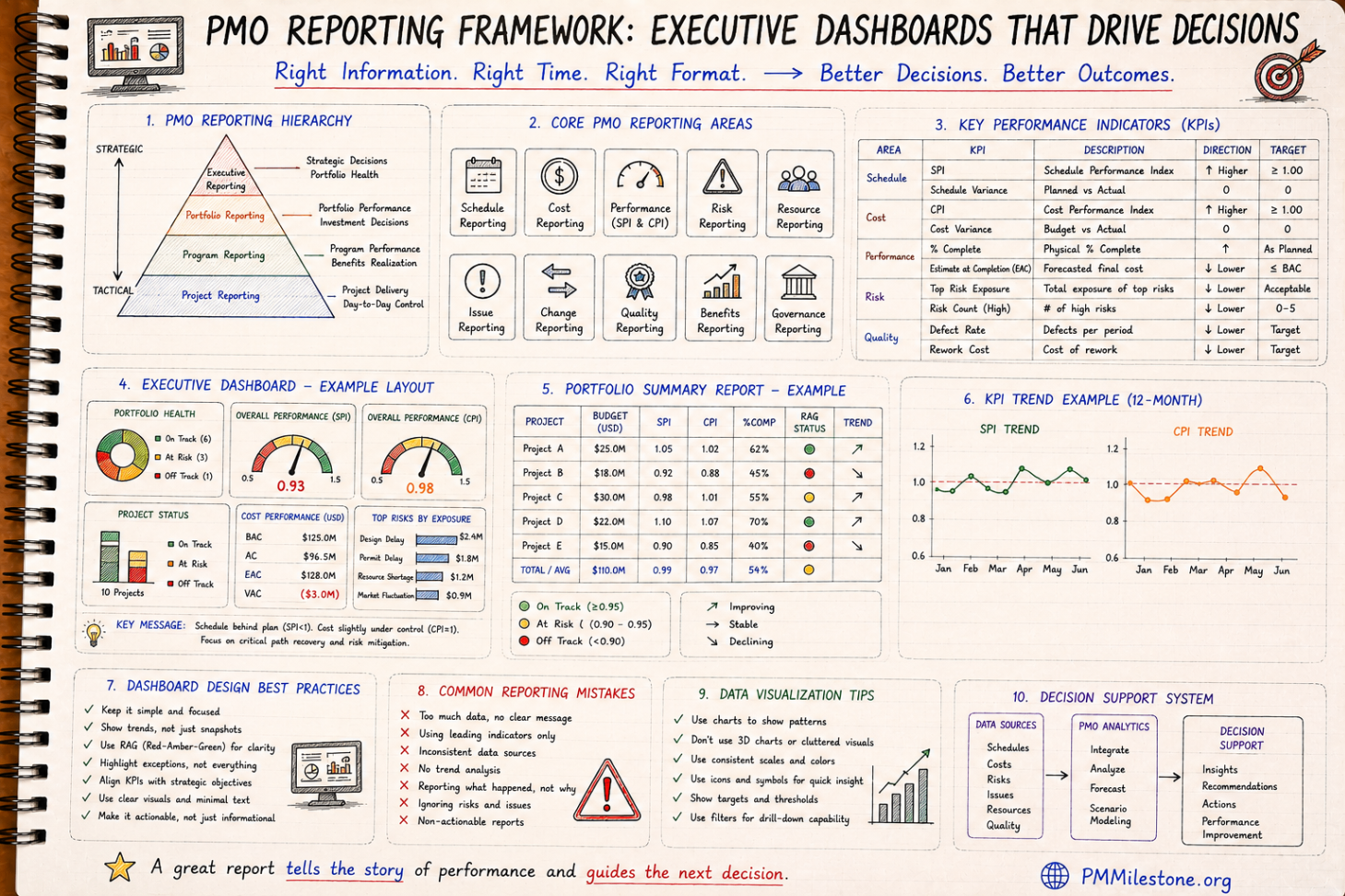
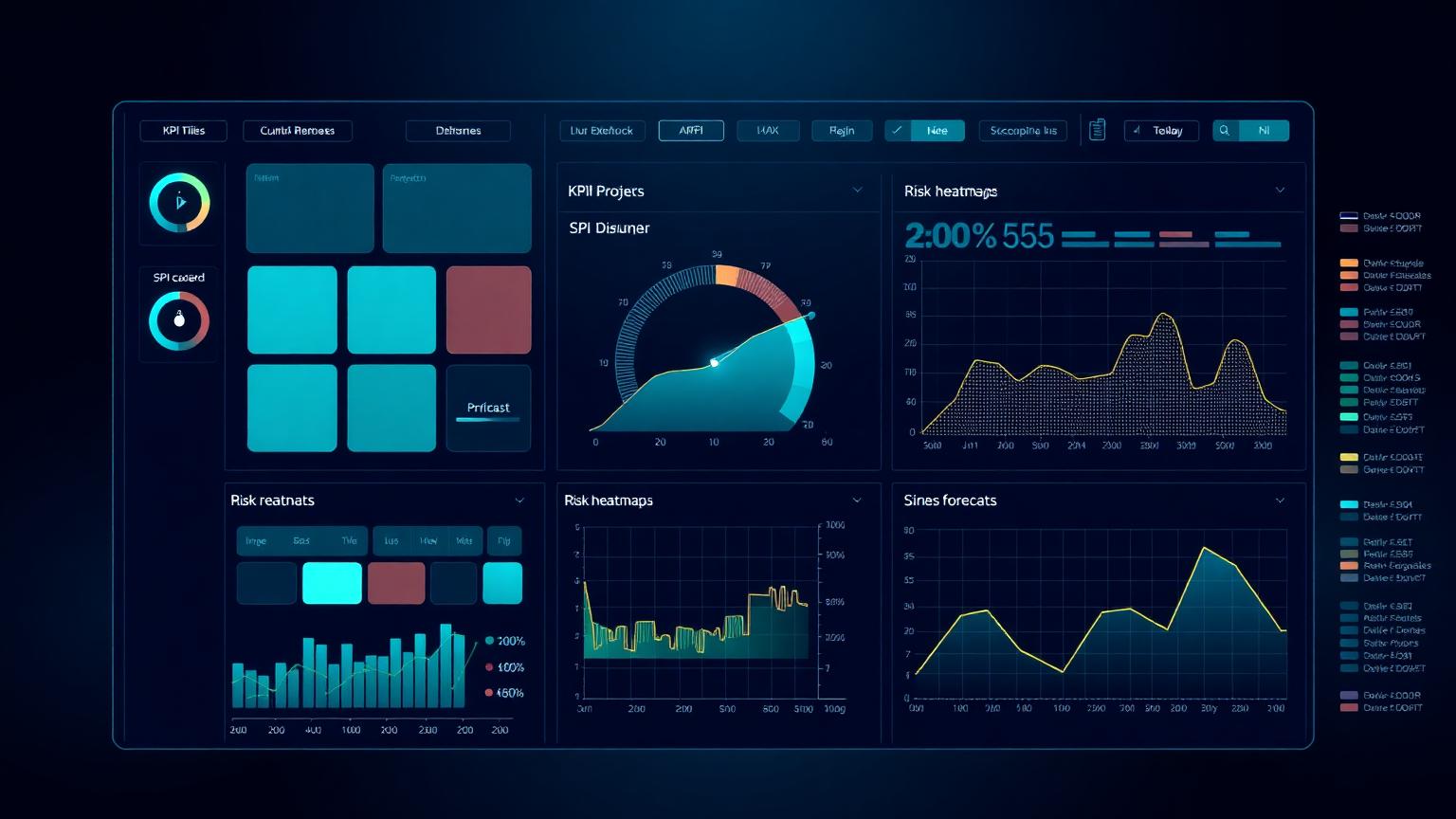
If reporting is bad, every other discipline becomes invisible. The goal of a controls report is not to show how much work the controls team did; it is to give the project board the smallest possible amount of information needed to make the next decision. Executive reports should answer three questions: where are we, where are we going, and what should we change.
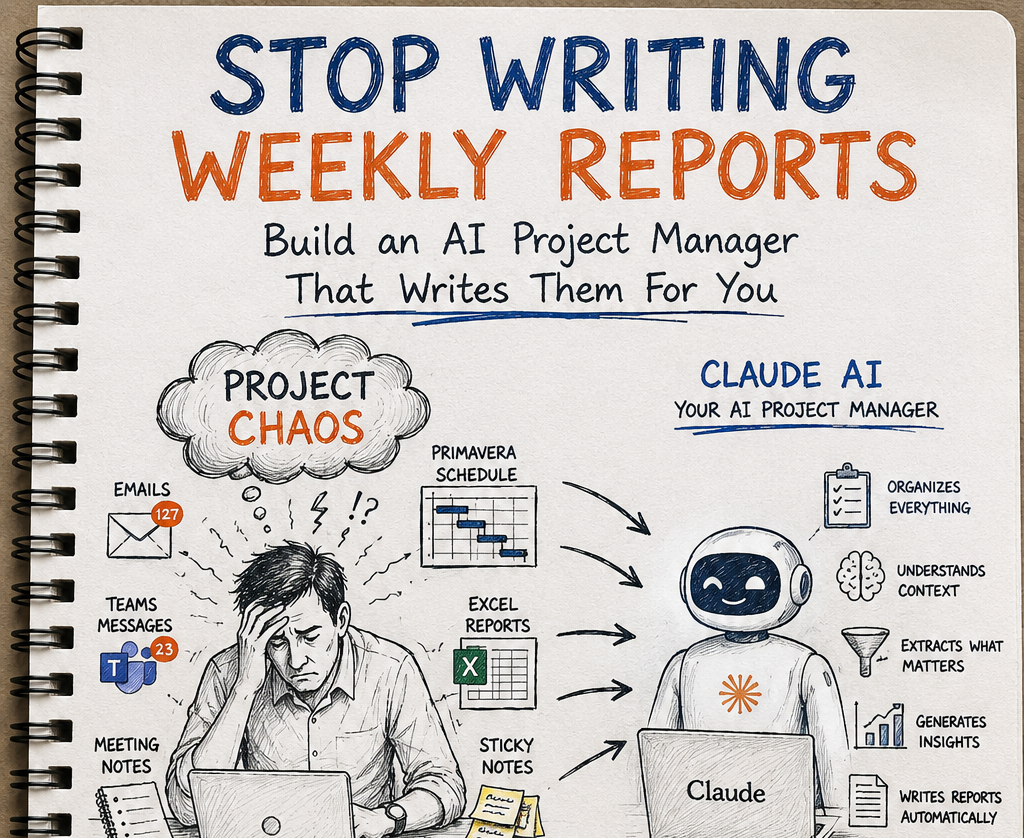
The best controls professionals treat reporting as a product. They invest in clean visuals, consistent definitions, and a narrative that ties scope, schedule, cost and risk together. The calculators and templates linked from the Academy are designed to feed exactly this kind of report.
How to build a controls capability from scratch
If you are building or rebuilding a controls function, start small and integrate as you go. Stabilise the scope and WBS first. Then put a credible schedule baseline in place, even if it is rough. Layer cost on top using the same WBS. Add a risk register that quantifies the top ten exposures. Finally, wrap the whole thing in a single, weekly report that the project board actually reads.
Maturity comes from the depth of each discipline and the strength of the connections between them. The Academy tracks on EVM, planning and scheduling, risk and reserves, and construction controls each go several layers deeper into the fundamentals introduced here.
Next steps on PMMilestone
Use these pages to deepen the topic, verify terminology, compare real cases and move from theory into applied project controls practice.
Related calculators
Open the calculators referenced in this article and run them against your own project numbers.
Other learning tracks
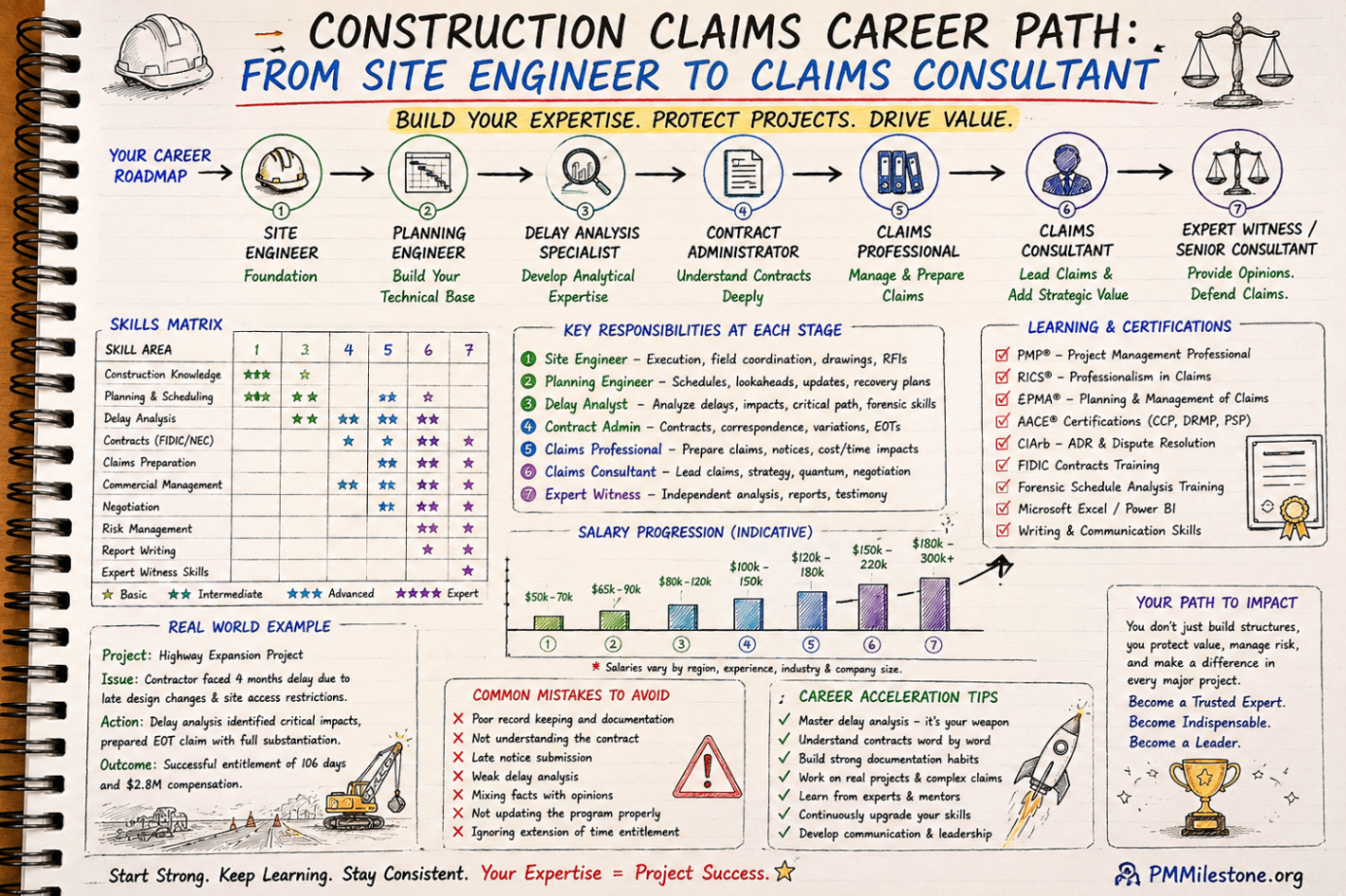
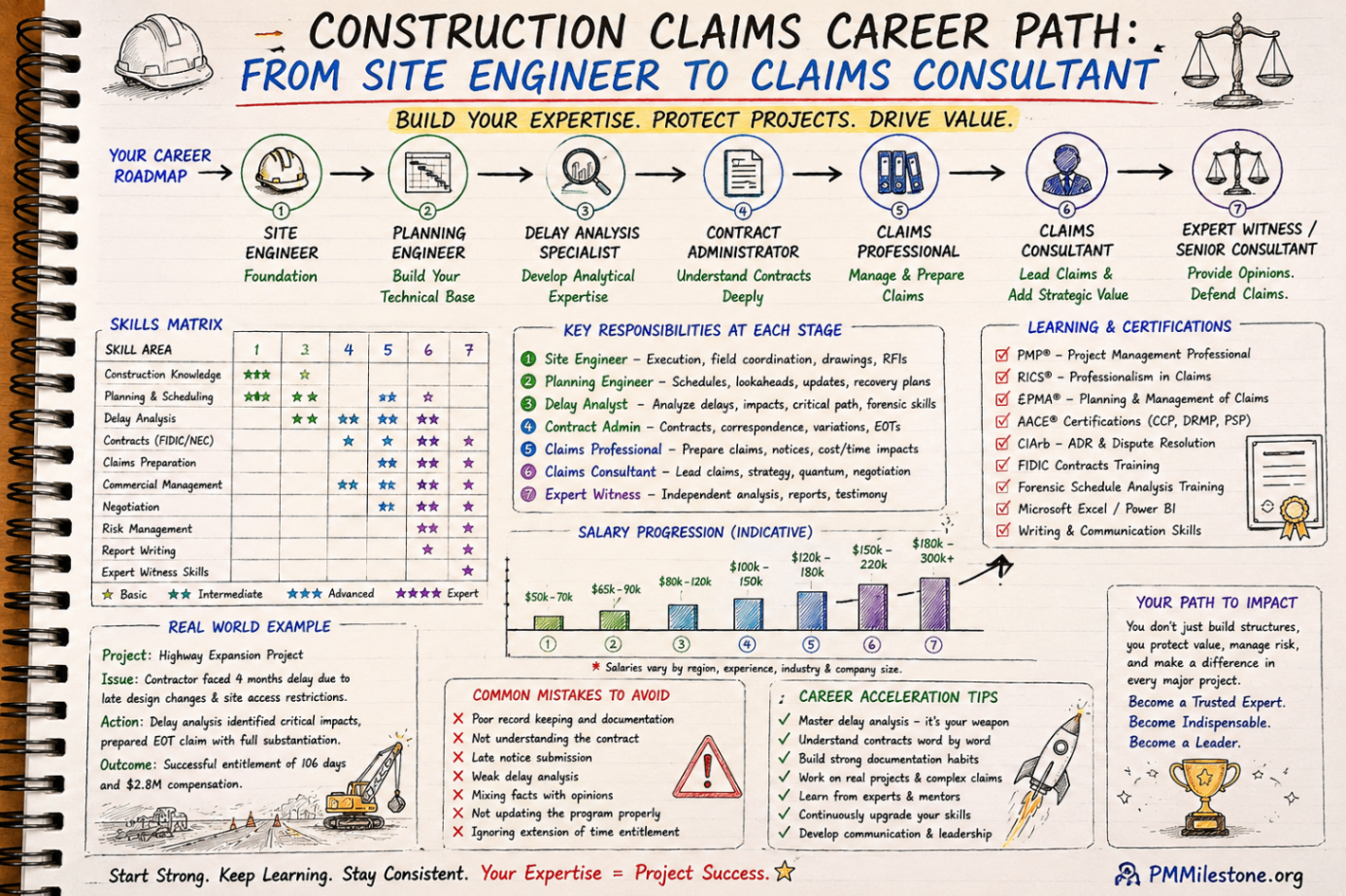
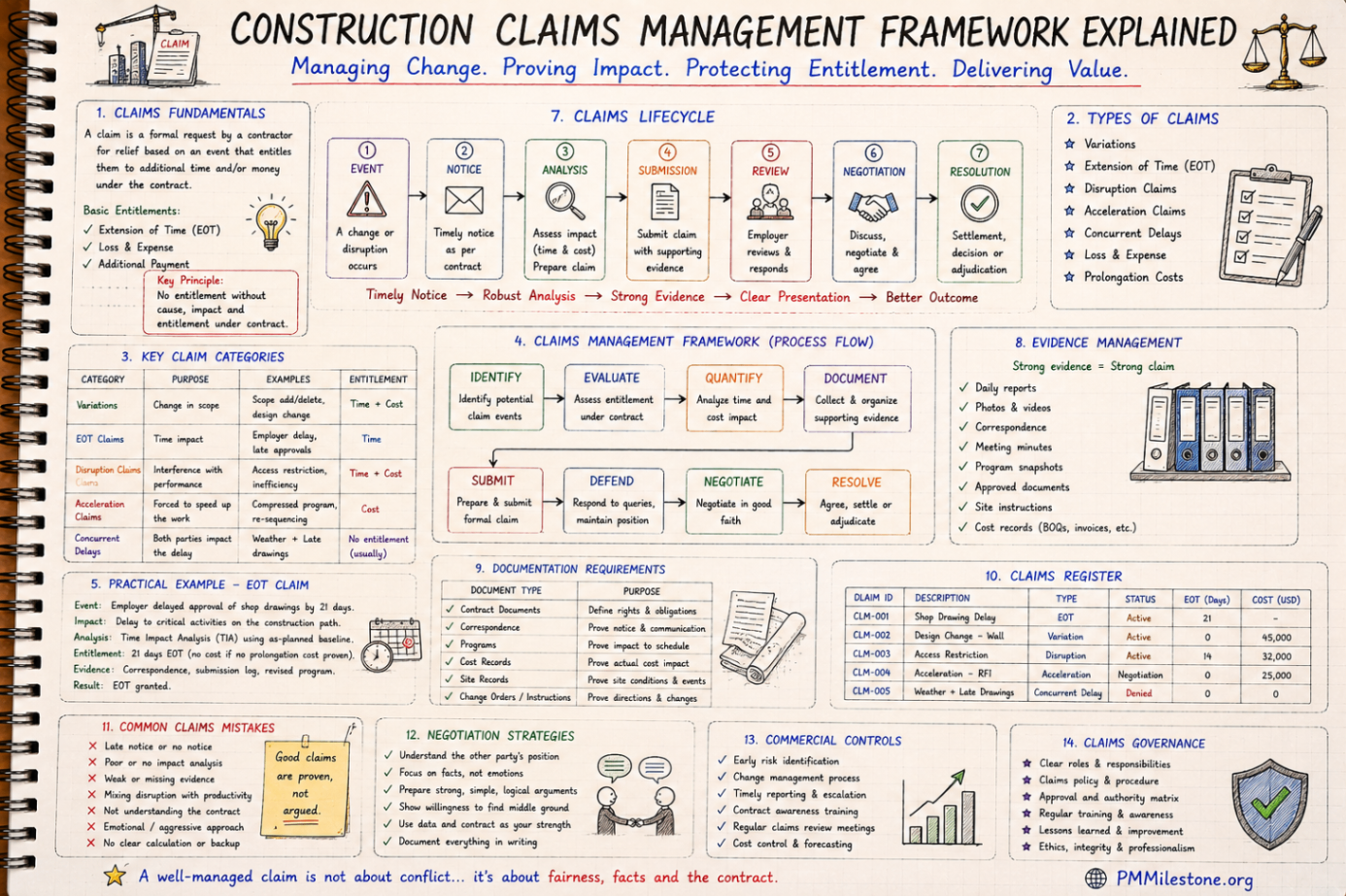
Construction Claims Career Path
A practical roadmap for engineers moving from site delivery into planning, delay analysis, claims, commercial controls and senior claims consulting.
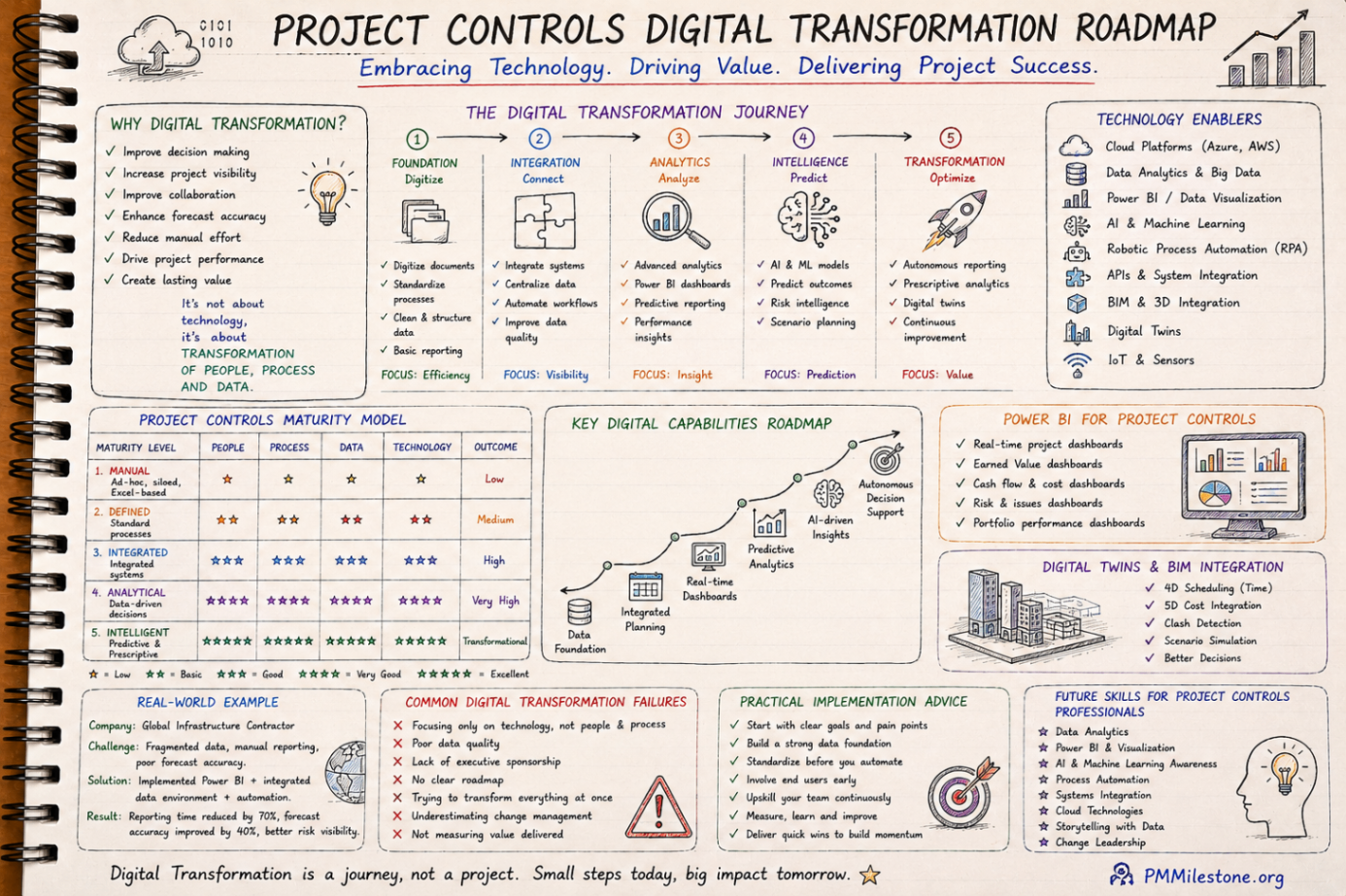
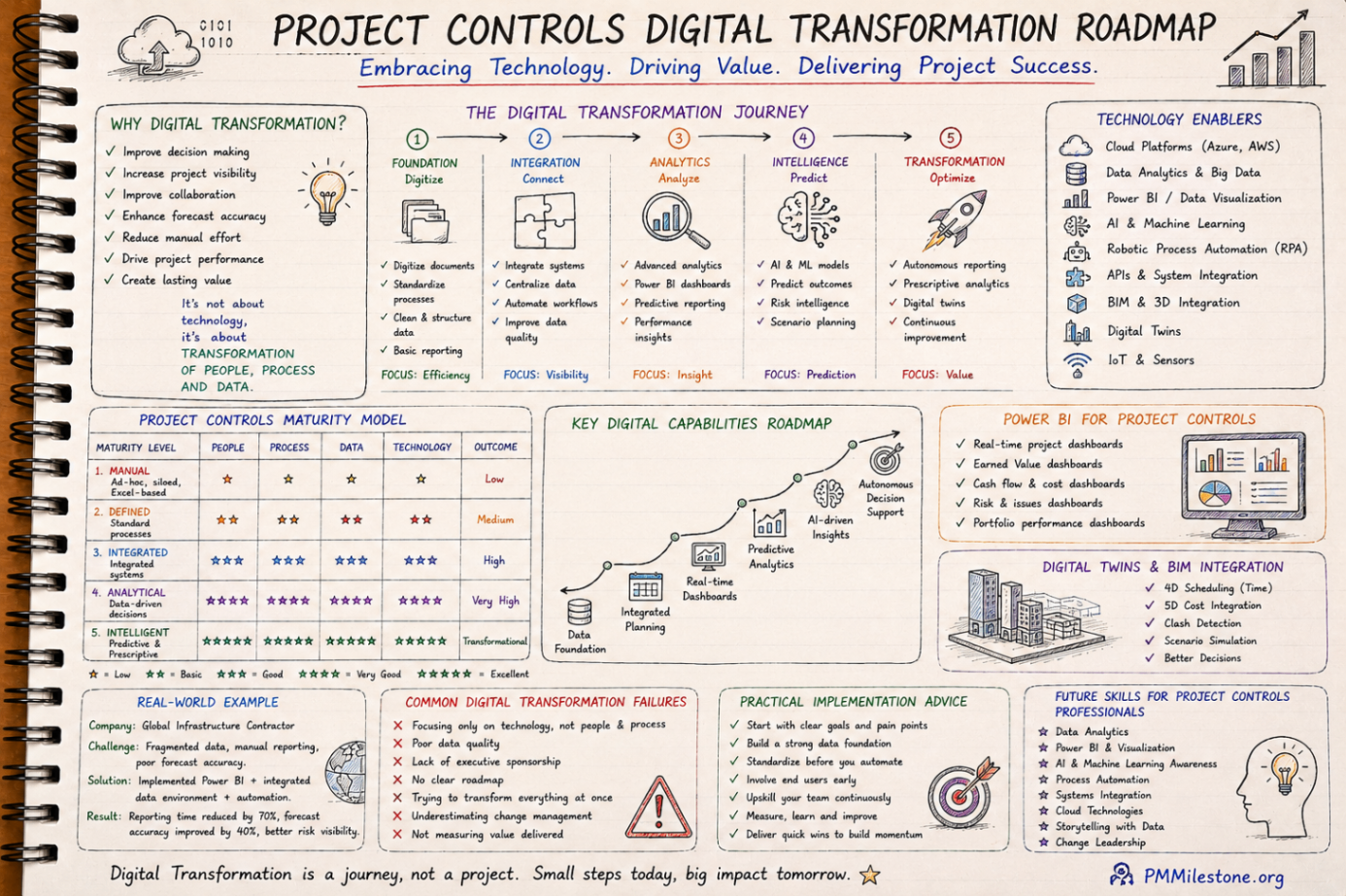
Project Controls Digital Transformation Roadmap
A future-focused guide to modern project controls through data integration, reporting automation, Power BI, AI, BIM and digital PMO capability building.
Earned Value Management
From PV / EV / AC to SPI, CPI, EAC, ETC, VAC and TCPI — the full toolkit for measuring and forecasting project performance.