The Complete Guide to Project Forecasting: From Variance to Probabilistic EAC


What forecasting actually is
Reporting tells you where the project is. Forecasting tells you where it is going. A controls team that reports without forecasting is producing history; one that forecasts without rigour is producing fiction. The discipline of professional forecasting is the structured combination of past performance, known risks and informed judgement into a defensible prediction that a board can use to make decisions.
Every capital project needs four forecasts that interlock: cost (what will it finally cost), schedule (when will it finish), productivity (what unit-rate is the field actually achieving) and cash flow (what is the time-phased cash demand). The four are not independent — a productivity miss drives a schedule slip drives a cost overrun drives a cash-flow change — and the forecasting system has to model the linkages, not just the individual numbers.
Cost forecasting: the four EAC families
Cost forecasts come in four broad families. Parametric forecasts apply historical productivity or unit-rate data to the remaining scope — strong for early-stage estimates, weaker once the project is in execution. Index-based EAC uses earned-value indices (CPI, SPI, weighted blends) to extrapolate past performance forward — strong once CPI has stabilised. Bottom-up re-estimate rebuilds the cost of remaining work from current rates and known risks — most accurate, most expensive, typically done quarterly. Risk-adjusted probabilistic EAC runs Monte Carlo on the uncertainties and produces a distribution rather than a single number — the only honest answer at the portfolio level.
Mature owners report EAC as a range, typically P50 to P80, with the deterministic best estimate shown for reference. Reporting a single number is convenient but misleading; reporting a range tells the board where the genuine uncertainty lives and what would need to be true for the lower or upper bound to materialise.
Schedule forecasting: beyond the next milestone
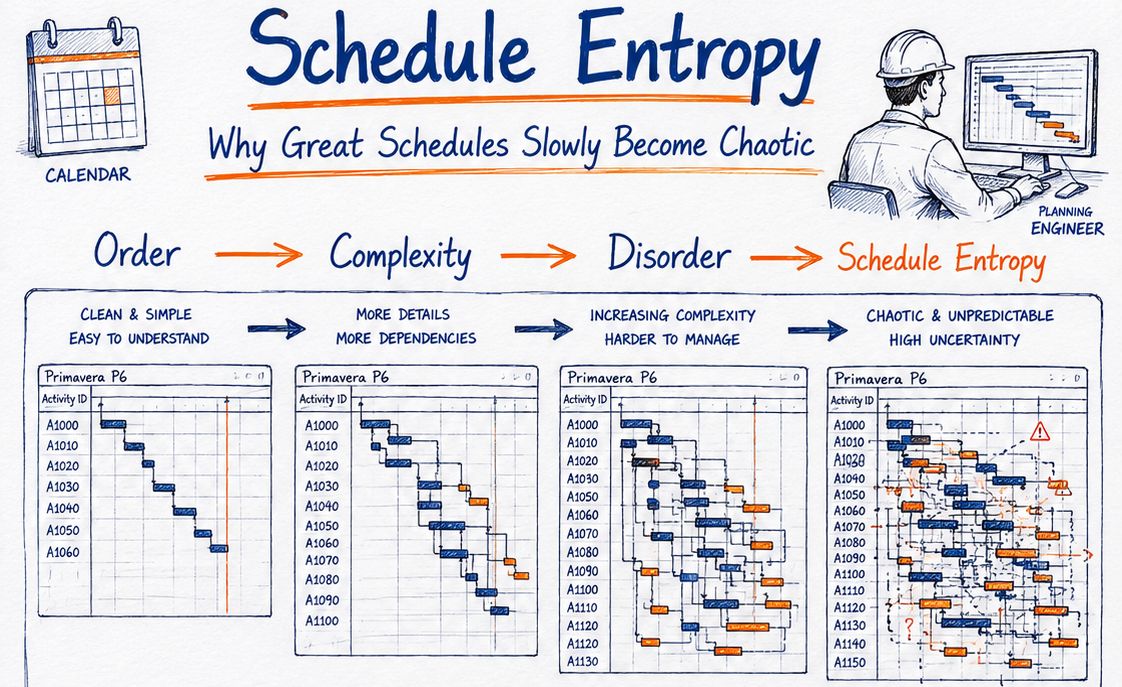
Schedule forecasting starts with a healthy updated CPM schedule and ends with a probabilistic completion date. The intermediate steps include schedule risk analysis (Monte Carlo on activity durations and risk events), trend analysis of float erosion, and earned-schedule-based forecasts that extrapolate ES performance forward.
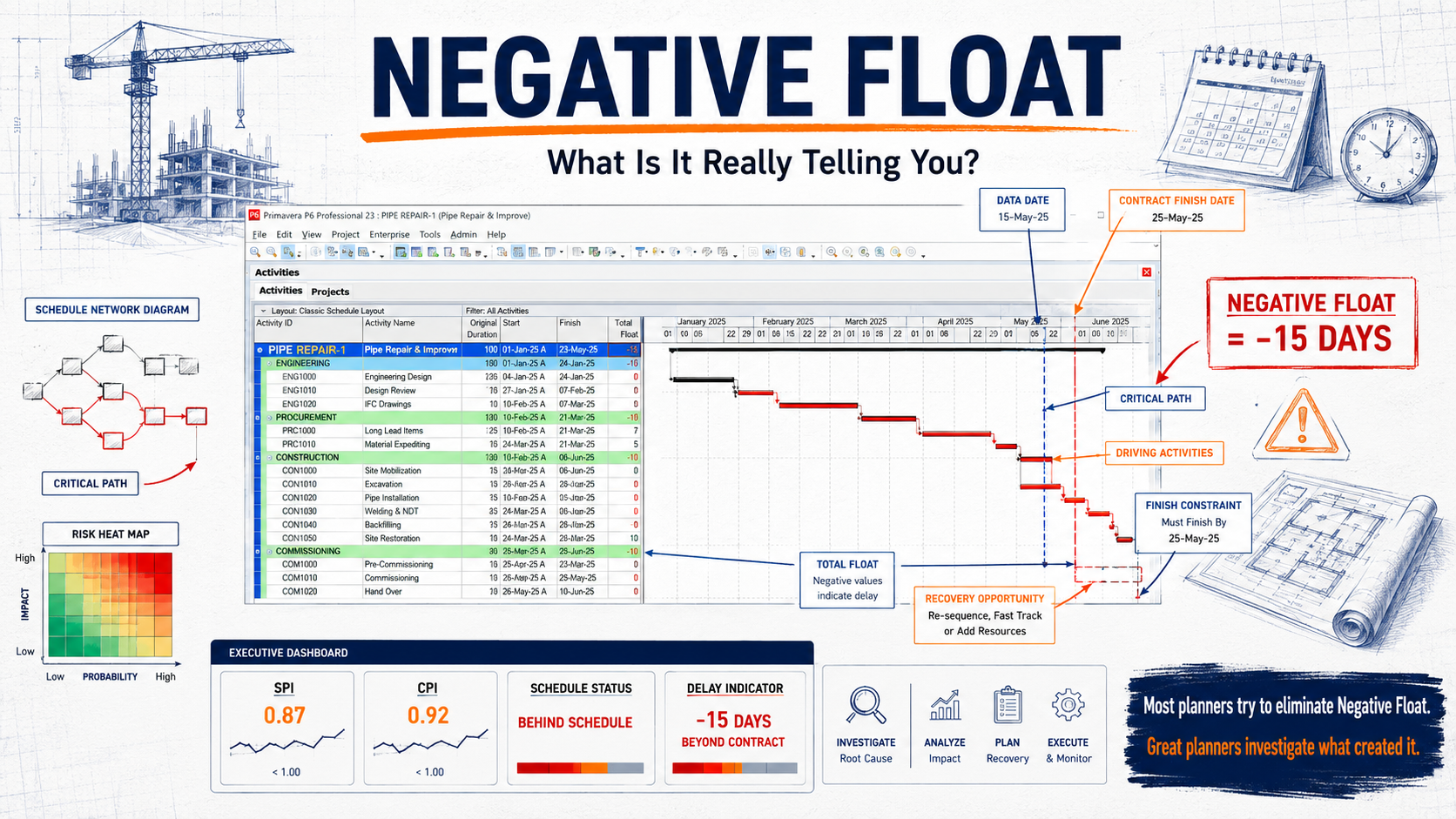
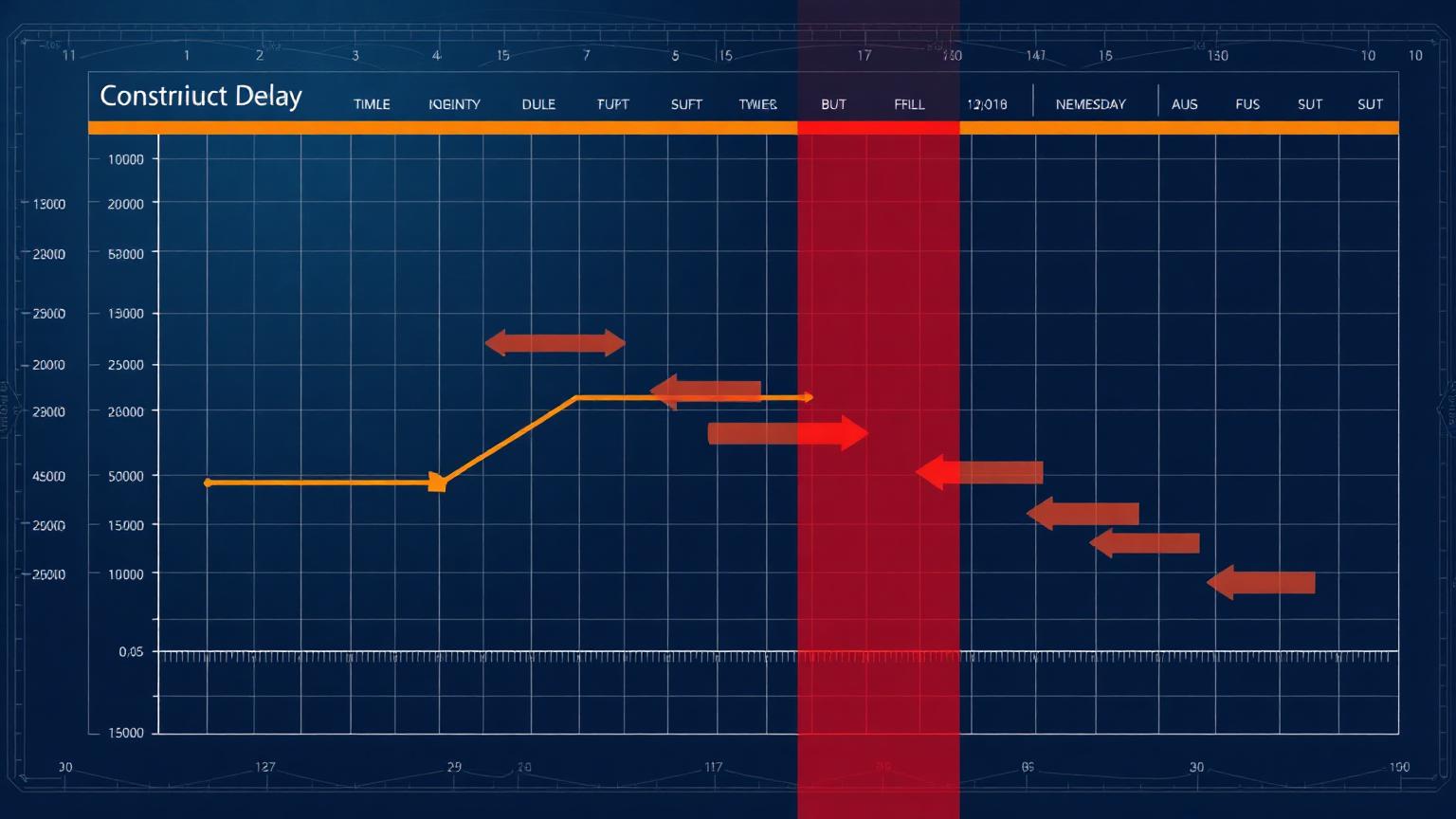
The biggest schedule-forecasting failure on capital projects is the float-illusion: a schedule that appears to have plenty of float on most paths but is actually one supply-chain hiccup away from a 90-day slip because the float is concentrated on the wrong activities. The Float Erosion Analyzer and Critical Path Risk Score tools quantify this by tracking float behaviour across updates.
Productivity forecasting: the field's leading indicator
Productivity is the earliest indicator of schedule and cost trouble. A 10% productivity miss on a major discipline that nobody is forecasting forward shows up two months later as a 5% schedule slip and three months after that as a CPI deterioration. Forecasting productivity means tracking unit rates (hours per cubic metre of concrete, hours per linear metre of pipe, hours per kg of steel) against benchmark and projecting them forward.
The Construction Productivity Calculator and Labour Efficiency Calculator are useful starting points. The deeper analytical move is to break productivity into its drivers — crew composition, supervision ratio, learning curve, weather, congestion, rework — and forecast each driver separately, then recombine.
Cash-flow forecasting: time-phased money
Cost forecasting gives you the final number; cash-flow forecasting gives you the time-phased call on capital. The two are different and both matter. A project that comes in on budget but consumes cash 30% faster than planned can break a sponsor's funding model.
Cash-flow forecasts are built by time-phasing the EAC against the schedule. The Cashflow Forecast Tool produces a basic S-curve view; for mature projects, the output is a monthly cash demand curve with a confidence band, fed into the sponsor's treasury forecast. Pay particular attention to retention release, milestone payments, change-order timing and tax treatment — these are often the difference between a smooth and a bumpy cash profile.
Combining the four into one view
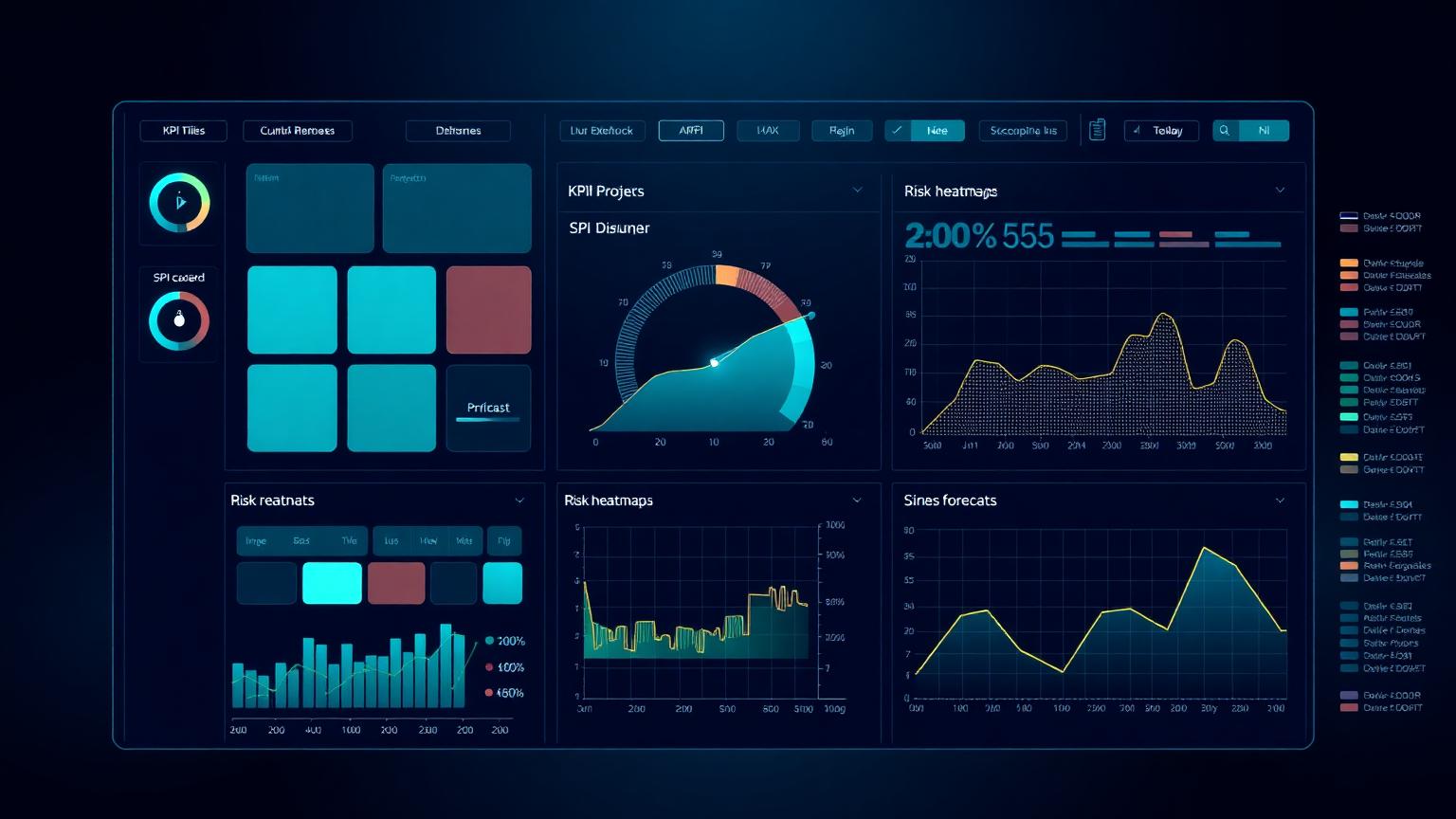
The integrated forecast is the single output that turns four disciplines into one decision-support tool. The standard format is a one-page view that shows: deterministic EAC and probabilistic range, deterministic completion date and probabilistic range, productivity trend by major discipline, cash-flow curve with confidence band, top five risks driving the uncertainty, and recommended actions.
The discipline of producing this view forces the controls team to reconcile the four sub-forecasts. Inconsistencies — a cost forecast that assumes a productivity recovery the field has no plan to deliver, a schedule forecast that assumes a contingency the cost forecast does not size — surface immediately and have to be resolved before the view is published.
CPI stability and when to trust your forecast
Most index-based EAC formulas rely on CPI being stable. Research by Christensen and others on US Department of Defense projects shows that CPI typically stabilises by around 20% complete and then varies within a relatively narrow band for the rest of the project. Before 20% complete, EAC based on CPI is more noise than signal.
The practical implication is that early-stage forecasts should lean on parametric methods (unit rates, benchmark data) and only switch to index-based methods after CPI has stabilised. Mixing the two without thinking about it produces forecasts that look precise but are built on a foundation that was supposed to have been retired.
Probabilistic forecasting: Monte Carlo done well
Monte Carlo simulation is the standard technique for probabilistic forecasting. The inputs are distributions on durations, unit rates and risk events; the output is a distribution on completion date and cost. The temptation is to throw every uncertainty at the model; the discipline is to focus on the ten to twenty drivers that genuinely move the outcome.
Distribution selection matters. Triangular and PERT distributions are reasonable defaults for most durations. Lognormal is better for tail-heavy uncertainties (productivity miss in extreme weather, supply-chain failure). Risk events should be modelled as Bernoulli triggers with conditional impact rather than as fixed-probability adjustments. Always sense-check the output against the deterministic case — if the P50 is far from the deterministic, the assumptions are inconsistent and need reconciling.
Forecasting governance: who decides what to publish
Forecasts have political weight. A pessimistic forecast can trigger reserve releases, executive attention and difficult conversations with shareholders. An optimistic forecast can mask trouble until it is unrecoverable. Mature organisations separate the production of the forecast from the decision to publish it: the controls team produces the analysis, a forecast review board (project manager, finance lead, controls lead, risk lead) signs it off, and the published number carries the board's authority rather than any individual's preference.
Documenting the assumptions behind each forecast — productivity recovery rate, risk-event probabilities, mitigation effectiveness — turns the forecast into a falsifiable model rather than an opinion. The next forecast cycle then becomes a structured review of which assumptions held and which did not, which is how forecasting capability compounds over time.
Putting forecasting into practice
Build the four sub-forecasts first — cost, schedule, productivity and cash flow — using whichever method is appropriate to the project stage. Reconcile them into one integrated view monthly. Run a probabilistic model quarterly, more often if the project is in turbulence. Publish ranges, not single numbers. Document the assumptions. Review against actuals every cycle.
Done with this discipline, forecasting becomes the most valuable output of the controls team — the one the project board actually reads and acts on. The PMO Reporting & Executive Dashboards pillar article covers how to communicate the forecast effectively to non-technical audiences.
Frequently asked questions
How often should I refresh a project forecast?
Monthly for the integrated view, quarterly for a full probabilistic re-run, and immediately after any material change event or risk crystallisation.
Should I publish a single EAC or a range?
A range — typically P50 to P80 — with the deterministic best estimate shown for reference. Single numbers hide the uncertainty that boards need to see.
What is the most common forecasting mistake?
Mixing parametric and index-based methods inconsistently, particularly using CPI-based EAC before CPI has stabilised at around 20% complete.
How do I make a Monte Carlo model credible?
Focus on the ten to twenty drivers that actually matter, use distributions matched to the underlying physics, model risk events as Bernoulli triggers and sense-check against the deterministic case.
Academy articles that build on this pillar
These newer Academy articles reference this Knowledge Pillar directly — continue with them to apply the concepts.
Next steps on PMMilestone
Use these pages to deepen the topic, verify terminology, compare real cases and move from theory into applied project controls practice.
Related calculators
Open the calculators referenced in this article and run them against your own project numbers.
EAC Forecast Calculator
Estimate at Completion — forecast final project cost.
Open ForecastingETC Calculator
Estimate to Complete the remaining work.
Open ForecastingTCPI Calculator
To-Complete Performance Index — required efficiency to finish on budget.
Open ForecastingVAC Calculator
Variance at Completion forecast.
Open ForecastingBurn Rate Calculator
Average spend per period.
Open ForecastingCashflow Forecast Tool
Project net cashflow for a period.
Open ScheduleEarned Schedule Calculator
Time-based schedule performance (SPI(t)).
Open ConstructionConstruction Productivity Calculator
Output per worker-hour.
OpenOther knowledge pillars
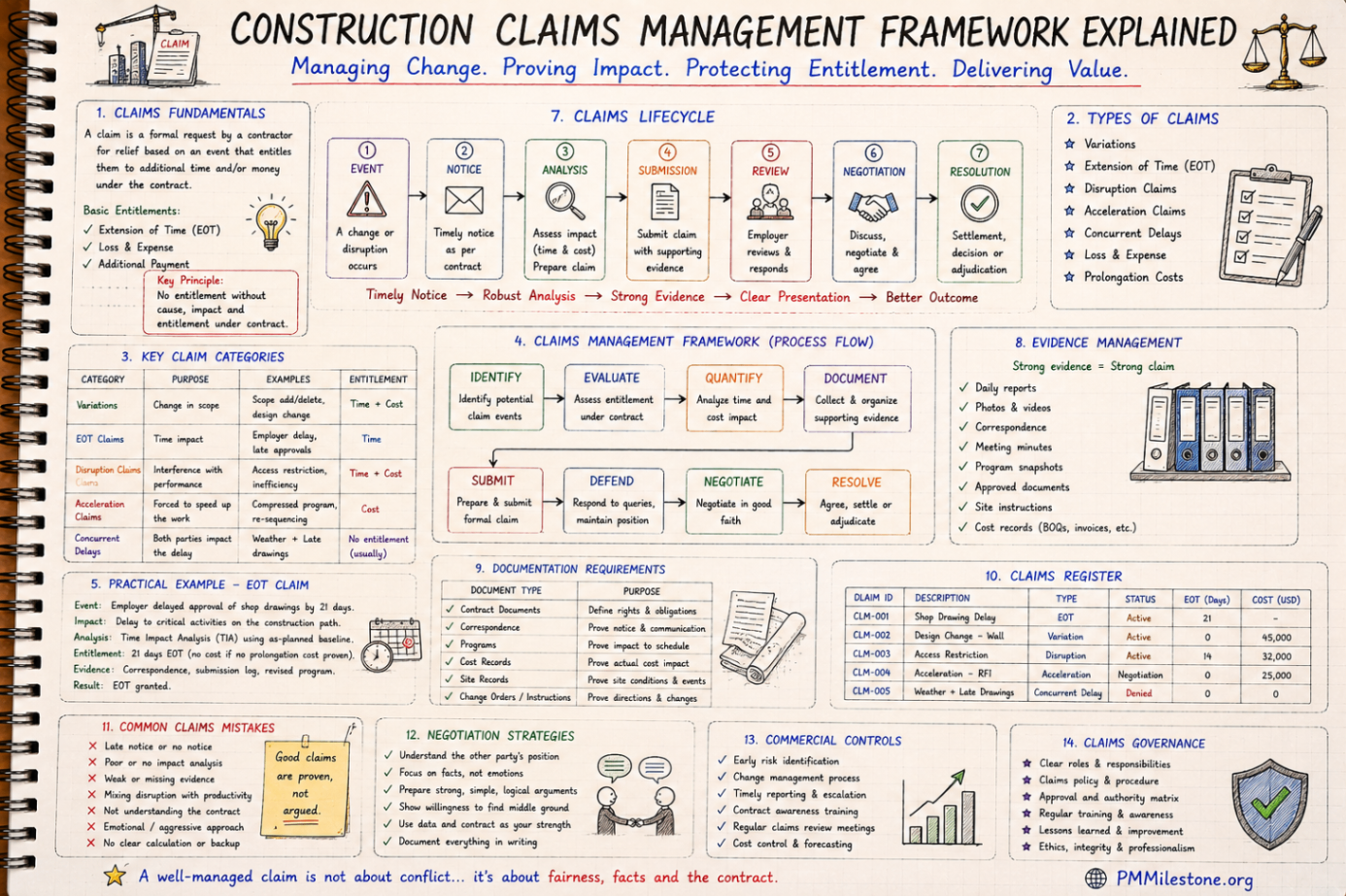
Construction Claims Management Framework Explained
A practical claims management framework for construction and infrastructure projects covering entitlement, records, analysis, negotiation and governance.
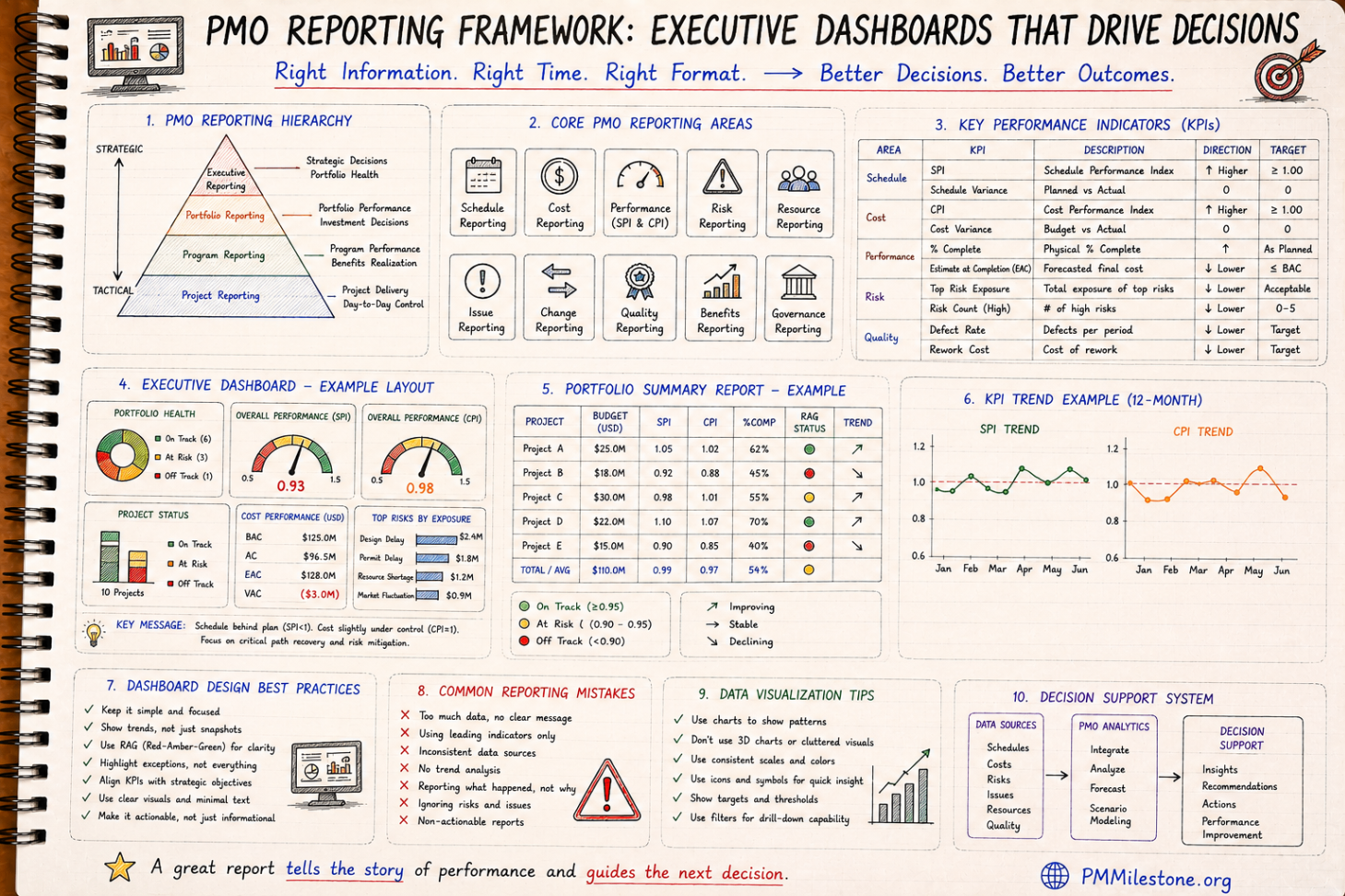
PMO Reporting Framework
A reference guide to executive PMO reporting covering dashboard structure, KPI choice, portfolio views, reporting cadence and common reporting mistakes.

Guides and Long-Form Articles
Practitioner-written explainers across EVM, planning, forecasting, risk and PMO design — read as a syllabus or as a refresher.