The Complete Project Controls Certification Guide
PMP · PMI-SP · PMI-RMP · CCP · PSP · EVP — 2026 Edition

Every few weeks an engineer messages me with a version of the same question: "Which certification should I actually pay for?" After two decades building schedules and cost models on water, transport and building programmes, my honest answer is that the letters after your name matter far less than what they force you to learn — but the right ones, taken at the right time, open doors and protect your day rate. This guide cuts through the noise.
Why certification matters in project controls (and where it doesn't)
Project controls sits in an awkward spot. It is technical enough that a hiring manager cannot easily judge your ability from a CV, yet broad enough that two "Senior Planners" can have completely different skill sets. A recognised credential is a shortcut for trust. It tells a client that you have been independently tested against a body of knowledge, that you understand the vocabulary the contract uses, and that you take the discipline seriously enough to invest in it.
On a large utility framework I worked on, the panel had a hard pre-qualification filter: shortlisted planners needed either a PMI-SP or an AACE PSP. Two excellent candidates who could out-schedule most of the room on Primavera P6 never reached interview because they had no credential to clear the gate. The certification did not make them better planners — it made them visible. Where certifications do not help is in masking inexperience: treat a credential as a floor, not a ceiling.
The two ecosystems: PMI versus AACE
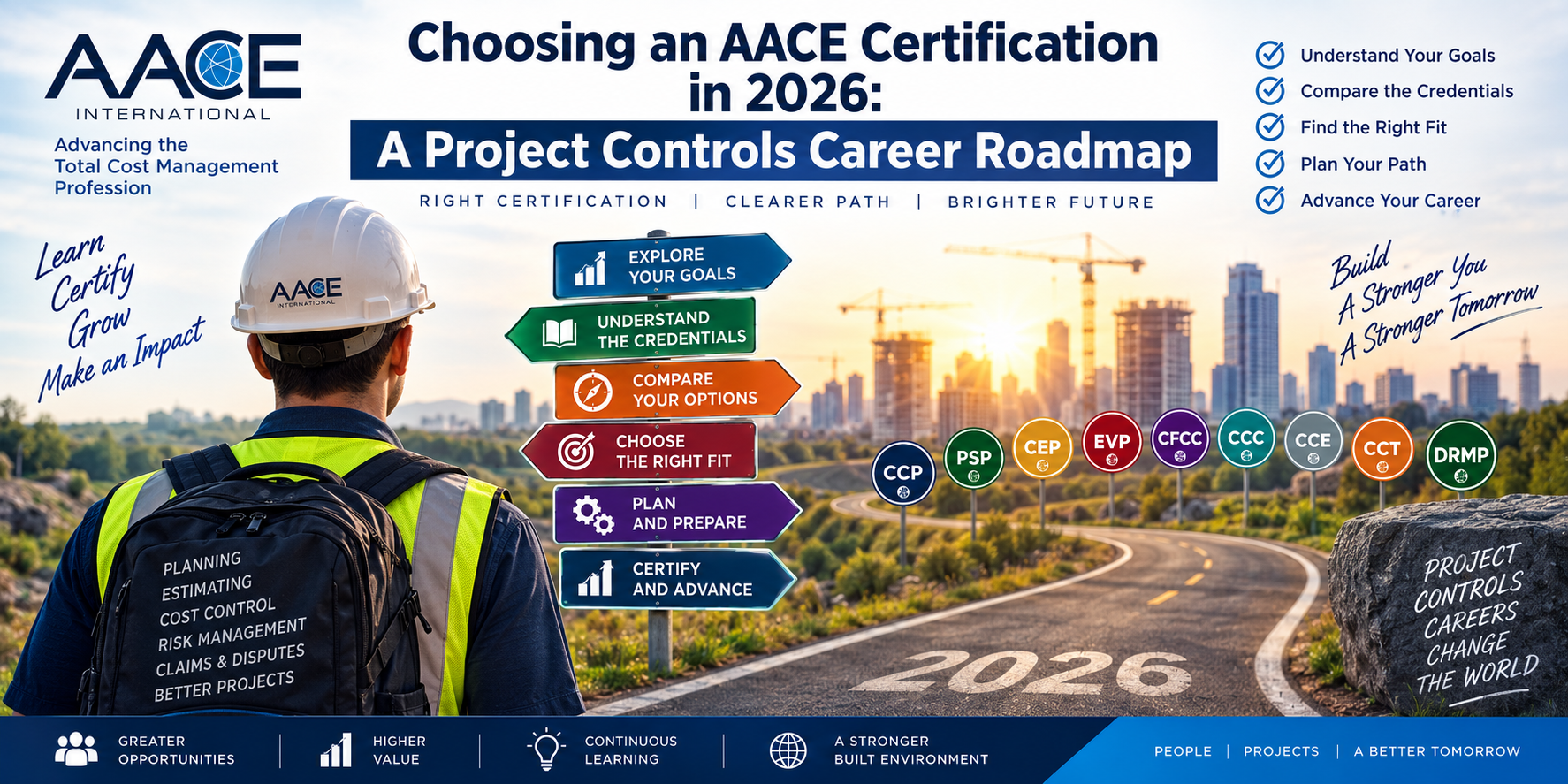
Almost every project controls credential worth holding comes from one of two bodies. The Project Management Institute (PMI) owns the management-led world: the PMP and its scheduling and risk specialisations. AACE International owns the engineering-led, cost-and-schedule world that dominates heavy infrastructure, energy and process projects. PMI credentials are generalist and management-flavoured; AACE credentials are specialist and practitioner-flavoured. If you want to lead projects, lean PMI. If you want to be the person the project manager relies on for the truth in the numbers, lean AACE.
| Dimension | PMI | AACE International |
|---|---|---|
| Orientation | Project & programme management | Cost engineering & project controls |
| Strong in | Building, IT, general construction, PMO | Infrastructure, energy, mining, process |
| Flagship credential | PMP | CCP (Certified Cost Professional) |
| Controls specialisms | PMI-SP (schedule), PMI-RMP (risk) | PSP (planning/scheduling), EVP (earned value) |
| Exam style | Scenario & situational judgement | Technical, calculation-heavy, applied |
| Recognition | Global, broadest name recognition | Deep respect within heavy industry |
| Renewal | 60 PDUs / 3 years | Recertification every 3 years (CEUs) |
How the major credentials compare
Before drilling into individual certifications, it helps to see them on a single map. The chart below plots the credentials by how hard they are to attain against the salary and market value they tend to unlock. Nothing here is gospel — value is regional and role-dependent — but the shape is consistent with what I see in the market.
The PMI credentials in detail
PMP — Project Management Professional
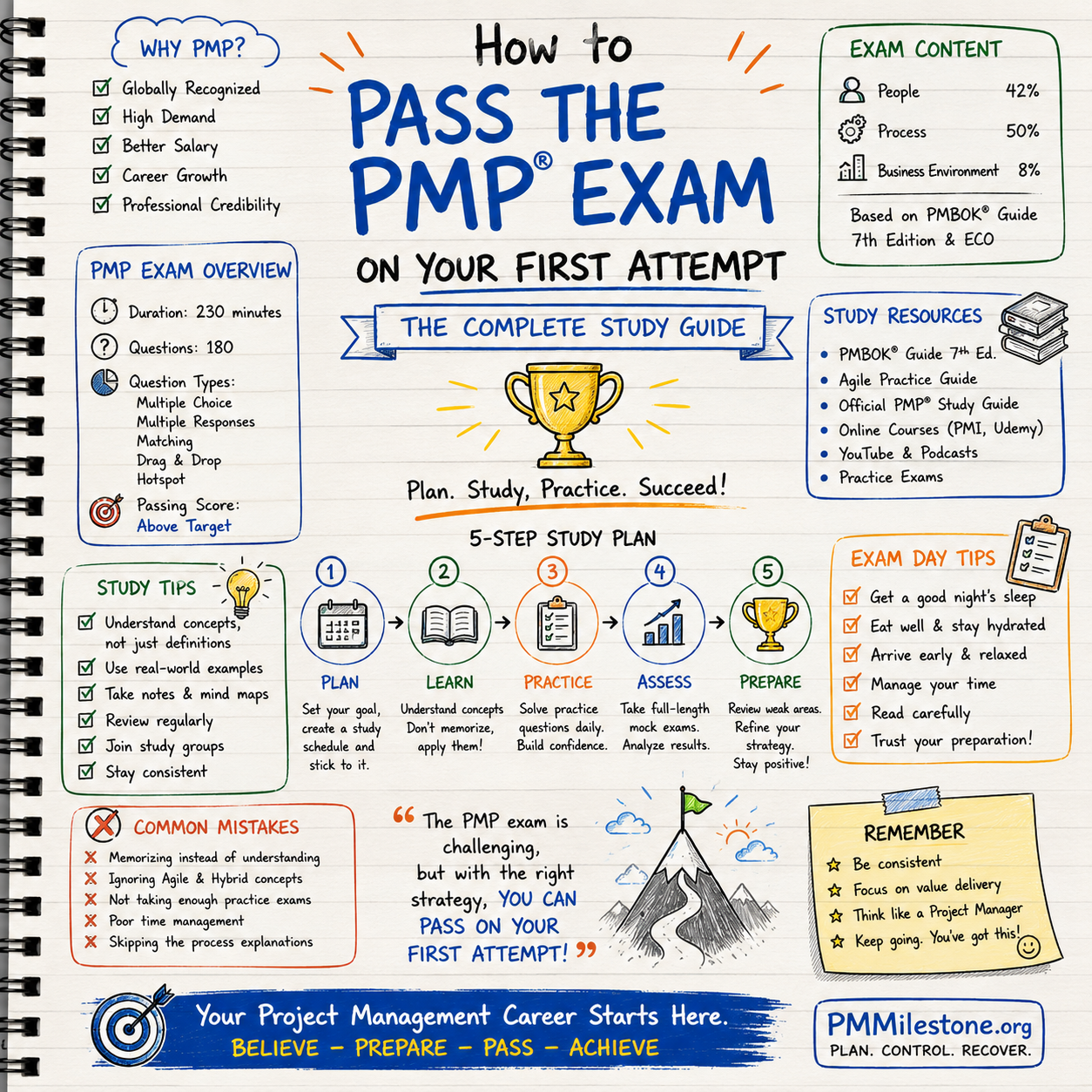
The PMP is the broadest, most-recognised credential in project management. It assumes you can lead and direct projects and tests across the full lifecycle. For a controls professional, the PMP is most valuable when you are stepping into roles where you brief executives, sit on steering committees, or run controls as part of a wider PMO function — situations where speaking the project manager's language matters as much as the schedule itself.
PMI-SP — Scheduling Professional
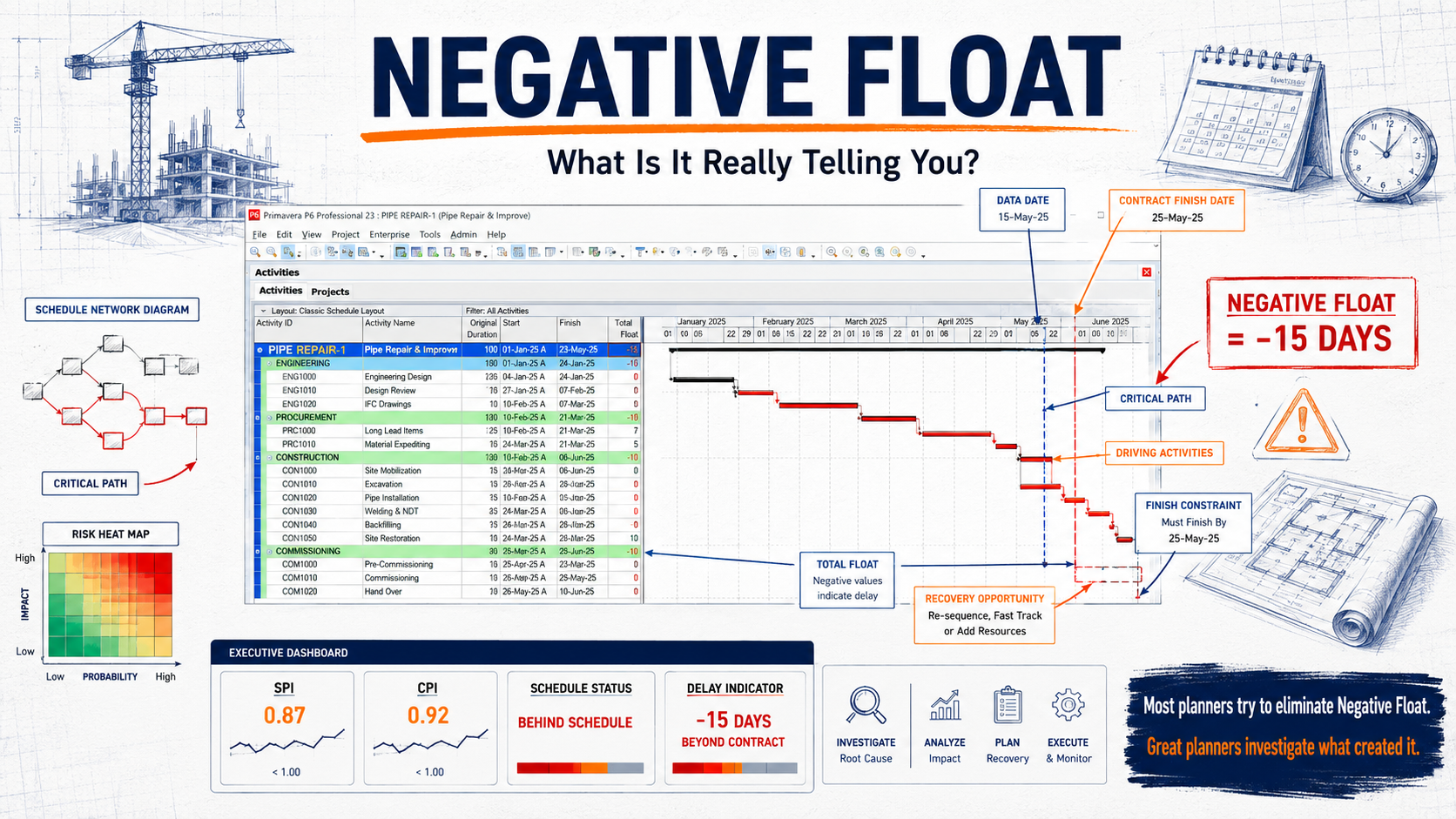
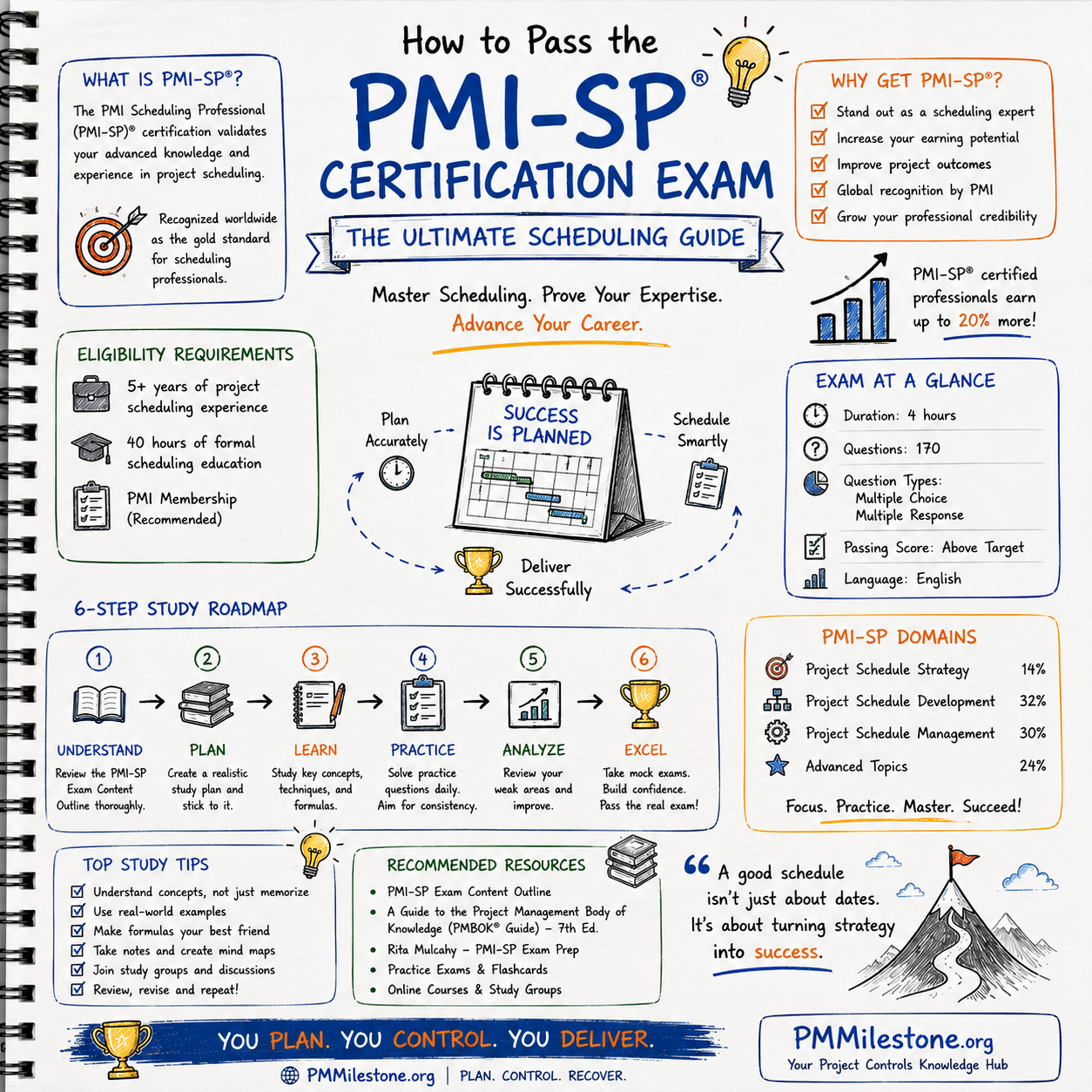
The PMI-SP is the credential I most often recommend to a planner who wants to formalise what they already do. It is tightly focused: schedule development, maintenance, control, and analysis. The exam rewards people who genuinely understand network logic, the difference between total and free float, and why a schedule that calculates a negative float of minus forty days is screaming for attention. If your day job is Primavera P6 and Microsoft Project, this is your natural home.
PMI-RMP — Risk Management Professional
Risk is the quiet half of project controls and the PMI-RMP is its credential. It pairs beautifully with a scheduling background because quantitative schedule risk analysis — the Monte Carlo work that produces a P50 and P80 completion date — sits exactly where risk and scheduling meet. On a programme with a contingency drawdown fight looming, a controls lead who can speak fluent risk is worth a great deal.
The AACE credentials in detail
AACE PSP — Planning & Scheduling Professional
The PSP is, in heavy industry, the gold standard scheduling credential. It is technical, calculation-heavy and unforgiving of vague answers. Tribunals, dispute boards and forensic experts often expect to see PSPs on a serious claim team.
AACE CCP — Certified Cost Professional
The CCP is the most rounded of the controls credentials — cost estimating, cost control, EVM, project management, economics and a defended technical paper. Pass it and you are unambiguously a senior practitioner. Sit it too early and you will fail; respect the experience requirement.
AACE EVP — Earned Value Professional
The EVP is the specialist's specialist credential for anyone running earned value on major programmes. Pair it with our Earned Value Management ultimate guide and the CPI and SPI calculators in the Academy toolset to keep your skills sharp between exams.
A career-stage map
| Credential | Focus | Difficulty | Career stage |
|---|---|---|---|
| CAPM | Foundational PM concepts | Low | Entry |
| PMP | Project management lifecycle | Medium-high | Mid-career |
| PMI-SP | Scheduling depth | Medium-high | Planner / Senior |
| PMI-RMP | Risk management | Medium-high | Mid-career |
| AACE PSP | Planning & scheduling (heavy industry) | High | Mid-career |
| AACE CCP | Cost + schedule + EVM | Very high | Senior / expert |
| AACE EVP | Earned value management | High | Mid to senior |
A realistic certification roadmap
The right credential at the wrong time is a waste. Use this rough roadmap, then trust your judgement.
Years 0–2 (foundation). CAPM if you are brand new, otherwise begin building experience and start logging hours toward PMI-SP eligibility.
Years 3–6 (core). The sweet spot for PMI-SP if you are a scheduler, or your first serious step toward PSP for heavy infrastructure. Add the PMP if you can see a management track ahead.
Years 6–10 (specialist). Deepen. Take the PSP or PMI-RMP and start building the technical depth the CCP will demand.
Years 10+ (expert / leadership). The CCP or EVP rounds out a senior profile. At this stage the credential is less about getting hired and more about credibility with clients, auditors and dispute boards.
A study strategy that actually works
Most failed attempts I have seen come from studying like it is a memory test. These exams reward applied understanding, so study the way you work:
- Map the body of knowledge to your own projects. When the syllabus mentions retained logic, open a schedule you built and find a place you used it.
- Do the maths by hand. For PSP, CCP and any EVM content, practise CPI, SPI and EAC calculations until they are automatic. Try our CPI calculator and SPI calculator between drills.
- Time-box ruthlessly. Three focused hours a week for ten weeks beats a frantic weekend.
- Sit a full mock under exam conditions. Stamina matters; a four-hour technical exam is a different animal from a quiz.
Frequently Asked Questions
Is the PMP worth it for a planner who never wants to be a project manager?
If you intend to stay a hands-on scheduler, the PMI-SP or AACE PSP is a better fit and a better use of study time. But if there is any chance you will lead a controls team, the PMP's lifecycle context becomes genuinely useful, and many employers still treat it as a baseline expectation for senior roles.
PMI-SP or AACE PSP — which scheduling credential should I take?
Follow your industry. In general construction, IT and PMO environments the PMI-SP aligns with how clients think. In heavy infrastructure, energy, mining and process work the PSP carries more weight with commercial and claims teams. If you can, the long game is to hold both.
How long does it realistically take to prepare for the CCP?
For someone with the required experience, three to five months of consistent study is typical, plus time to write the technical paper. The CCP is broad — estimating, cost control, EVM, economics — so the preparation is as much about consolidating years of practice as learning anything new.
Do certifications expire, and is renewal a hassle?
Yes, they expire. PMI credentials run on a three-year cycle requiring professional development units; AACE requires recertification on a similar cadence. Renewal is light if you stay active in the profession and a serious red flag on a CV if you let it lapse.
Related guides on PMMilestone
Continue your reading with closely related Academy guides and references.
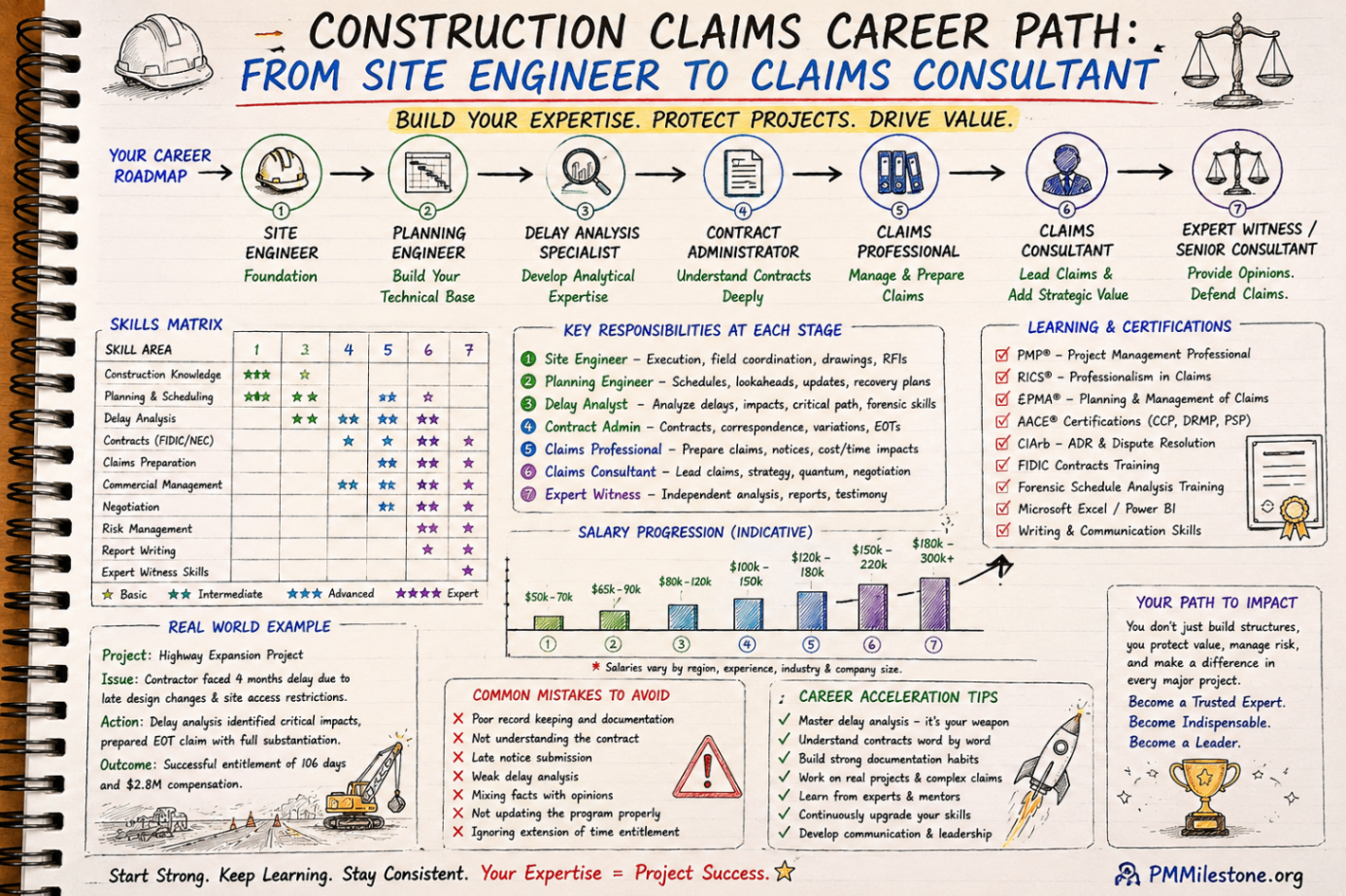
- Learning trackFrom Planning Engineer to Project Controls DirectorCareer roadmap with skills, certifications and salary at every stage from junior planner to director.Open
- Knowledge pillarEarned Value Management — Ultimate GuidePV, EV, AC, CPI, SPI, EAC, TCPI, S-curves and a worked construction example.Open
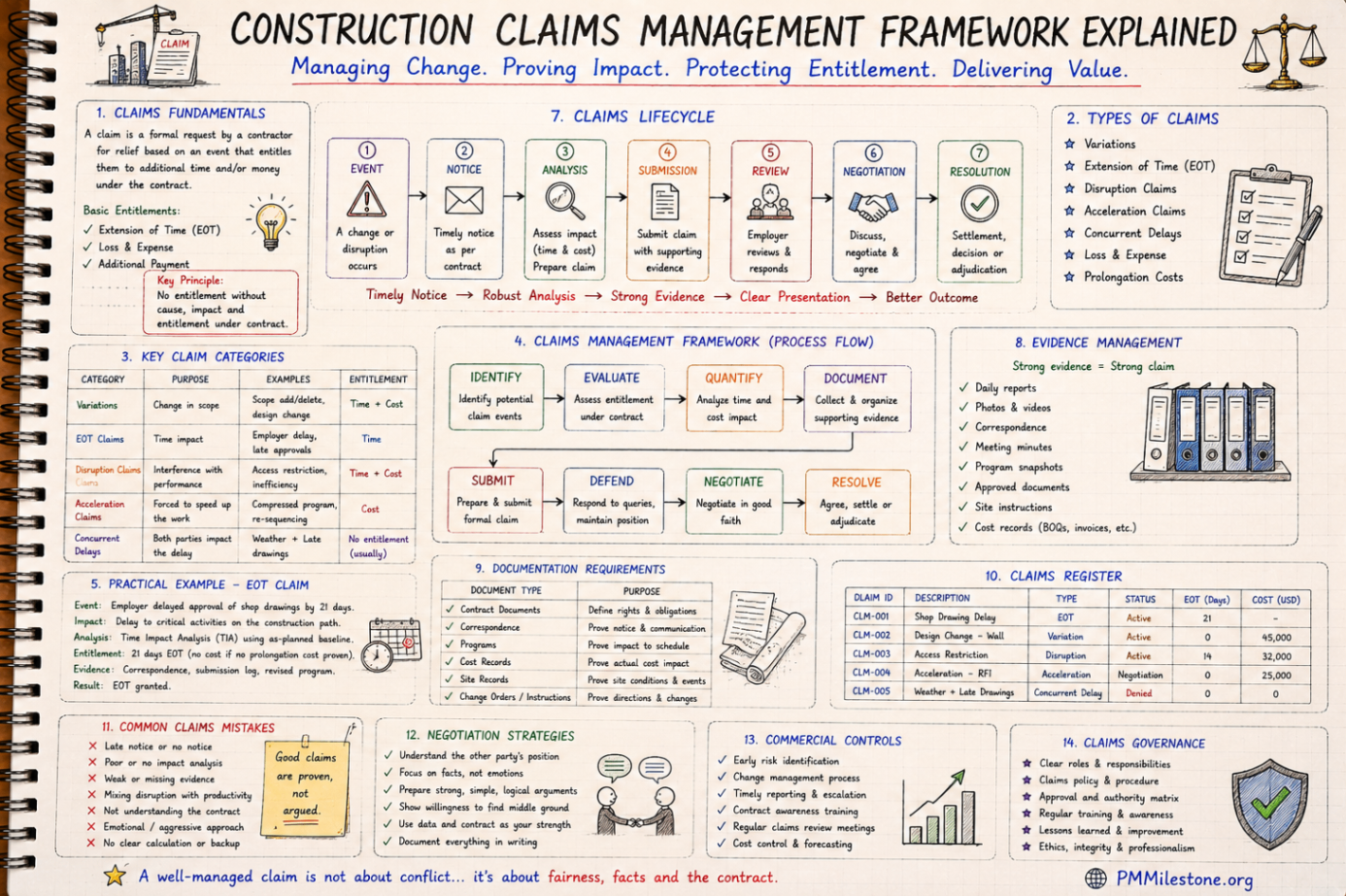
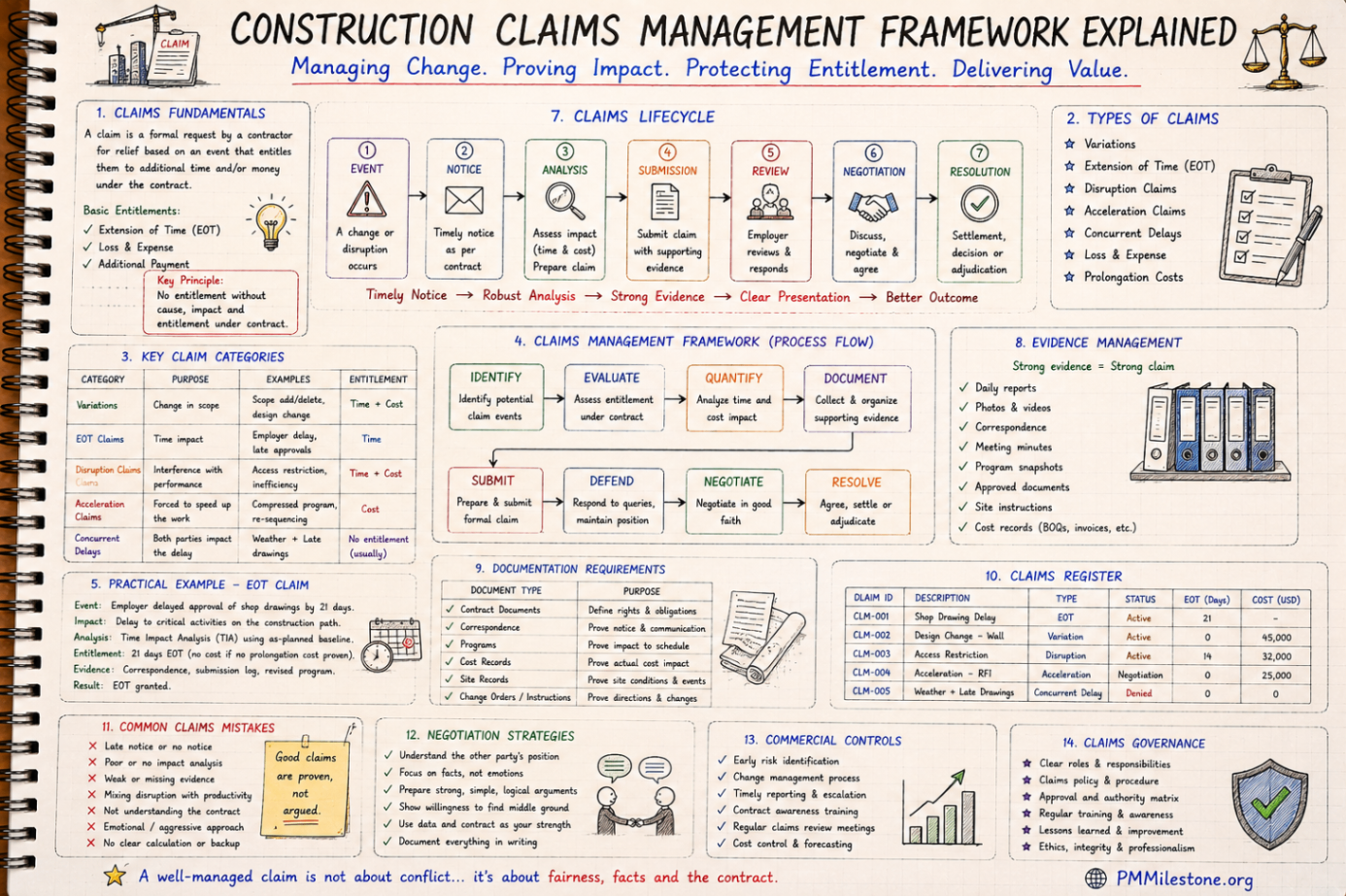
- Knowledge pillarConstruction Delay Analysis, EOTs & RecoveryFive forensic methods, concurrency, prolongation cost and recovery playbook for construction disputes.Open
- HubAcademy — Learning tracks hubAll long-form Academy learning tracks organised by discipline.Open
Related resources
Hand-picked tools, glossary entries, case studies and Academy pages to deepen this topic — curated by Dr. Hassan Eliwa, PhD.
Relevant calculators
Learning tracks
Knowledge pillars
Reference & glossary
Case studies & failures
Author & authority
- Founder — Dr. Hassan Eliwa, PhD
- About PMMilestone.org
- Publications by Dr. Hassan Eliwa
- Reviewed & maintained by the PMMilestone editorial team
Books by the author
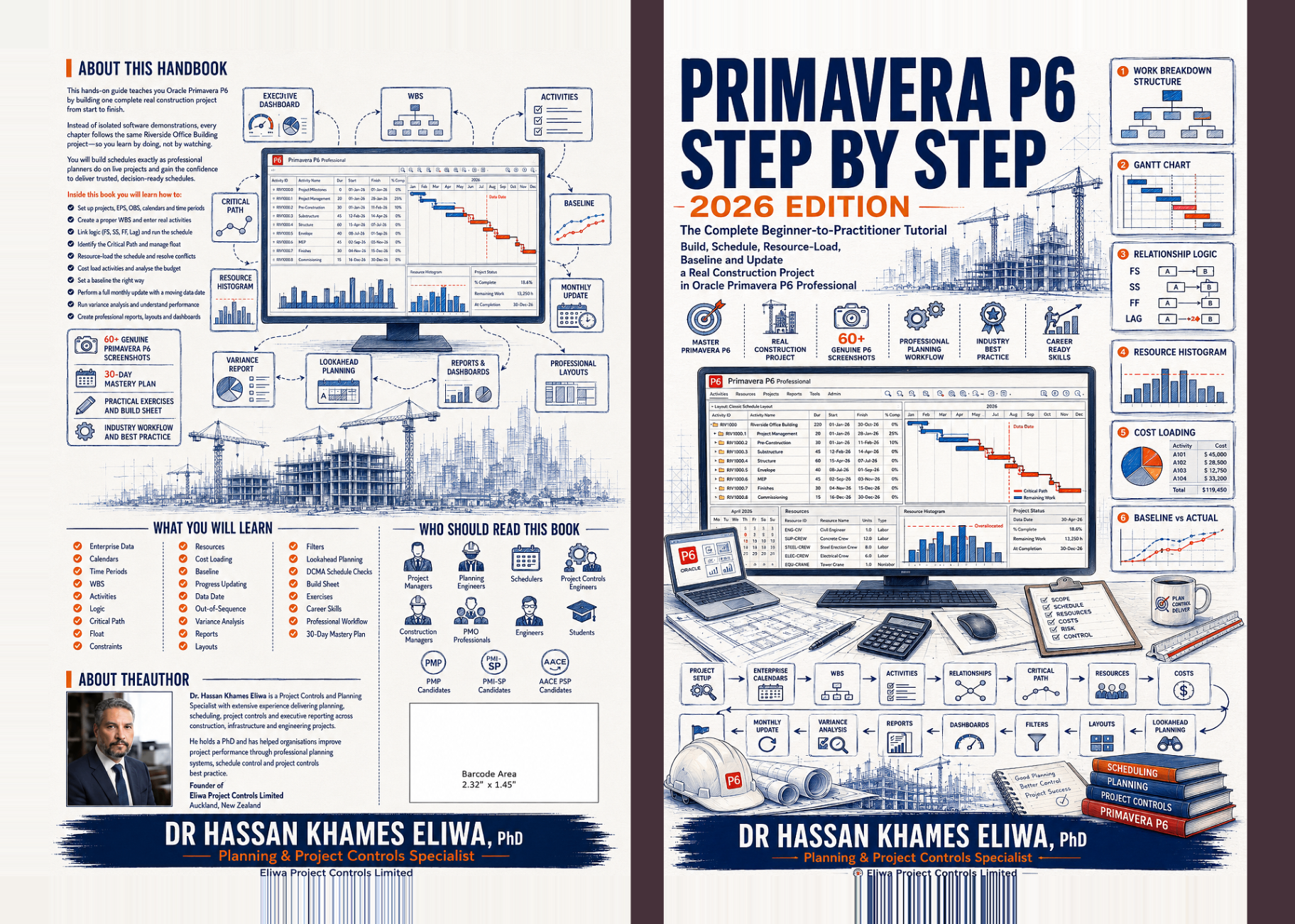
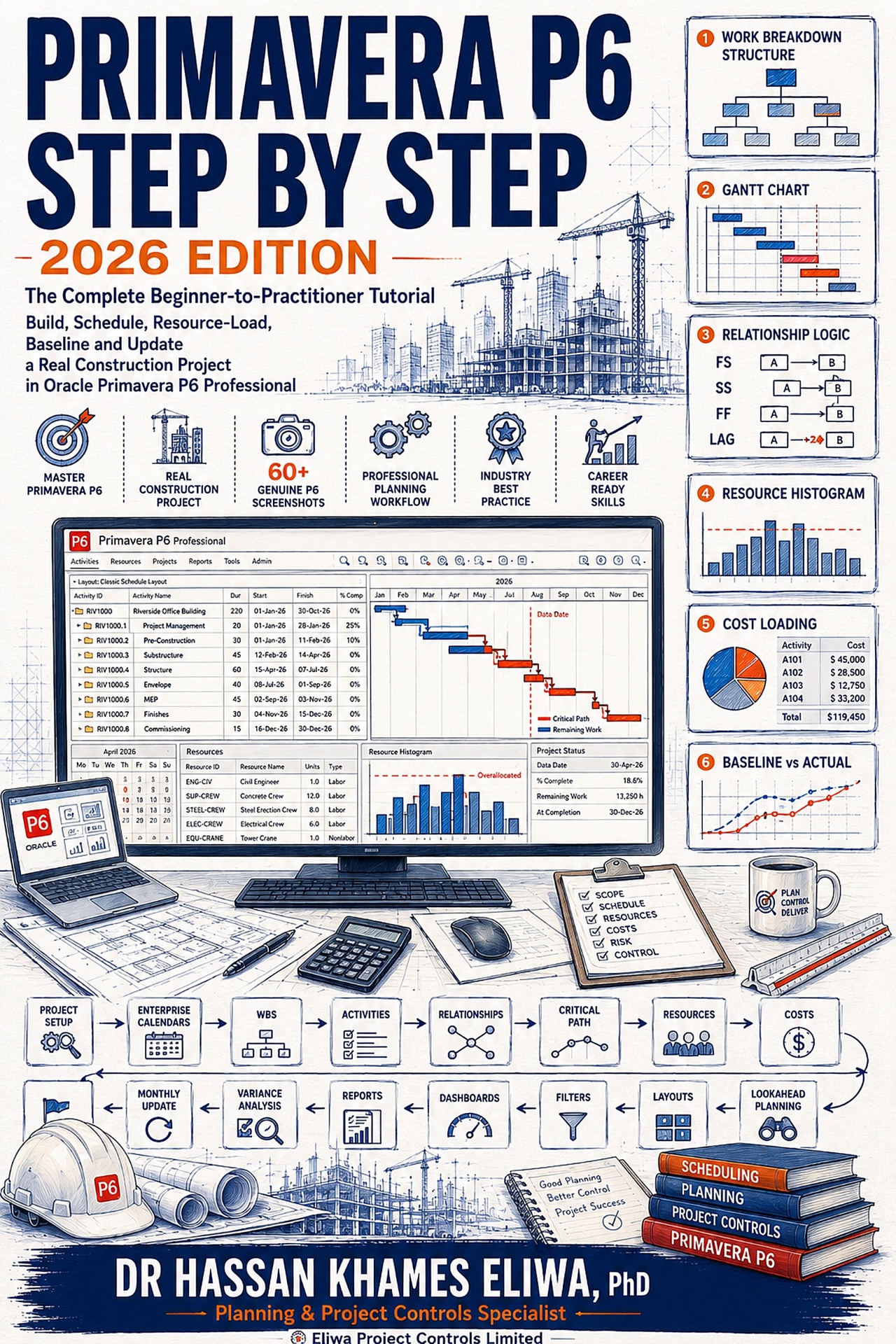
- Primavera P6 Step by Step — 2026 Edition— hands-on P6 tutorial with 60+ screenshots
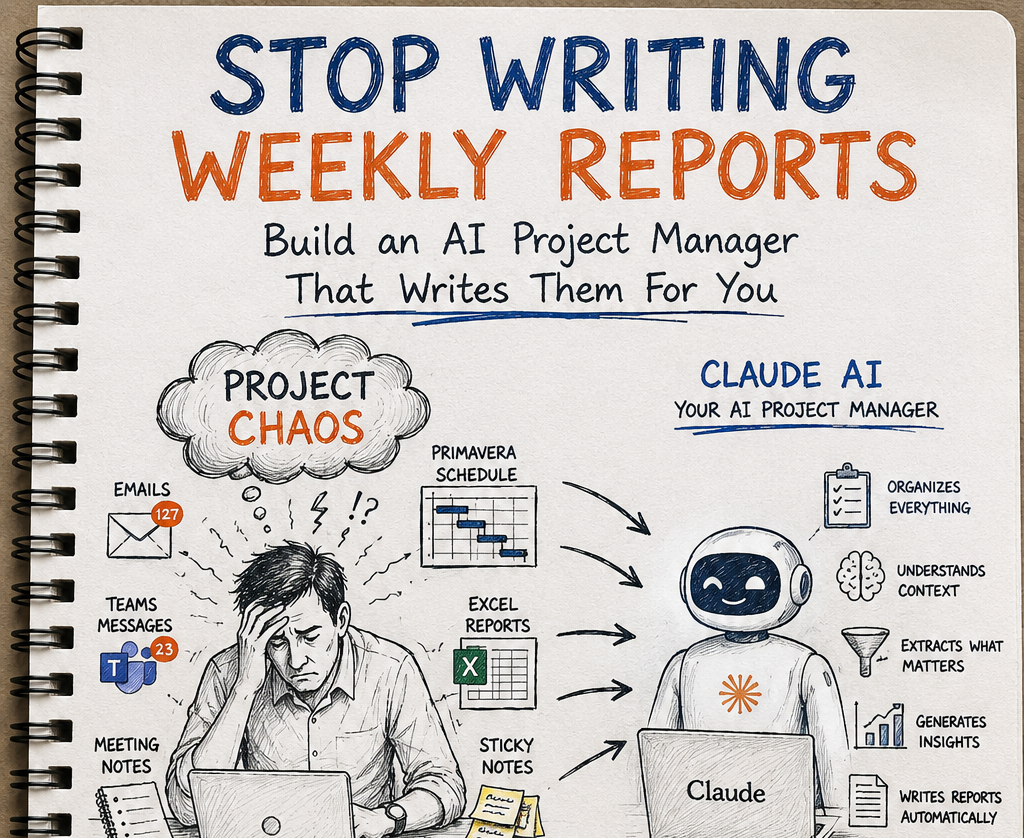
- Build Your AI Project Manager with Claude— turn Claude into your PM co-pilot
- Construction Planning & Scheduling Handbook— WBS, CPM, EVM & delay analysis
- All books & publications →