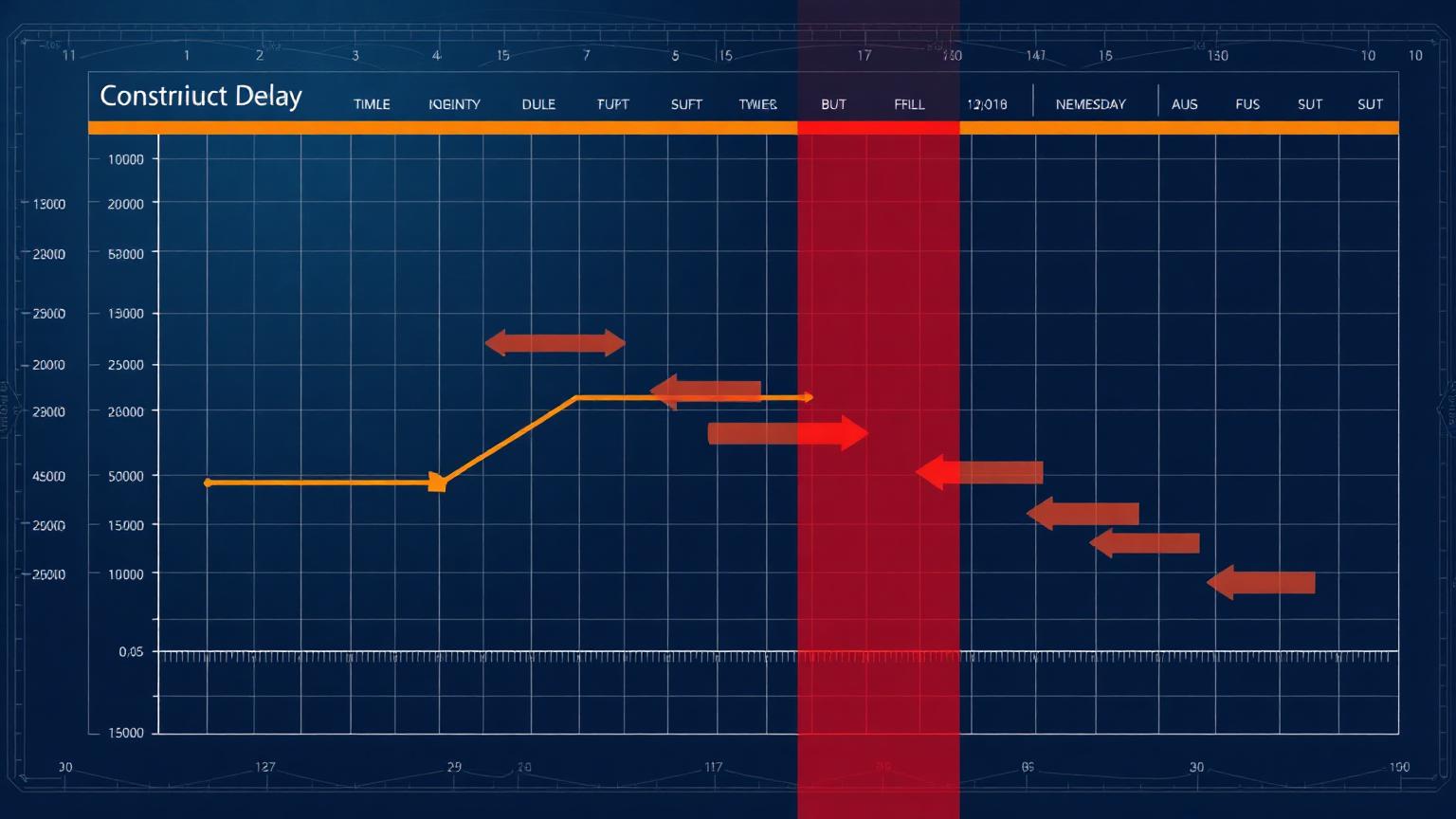
Construction Delay Analysis Learning Track: Methodologies, Evidence and Quantum

Why delay analysis is harder than it looks
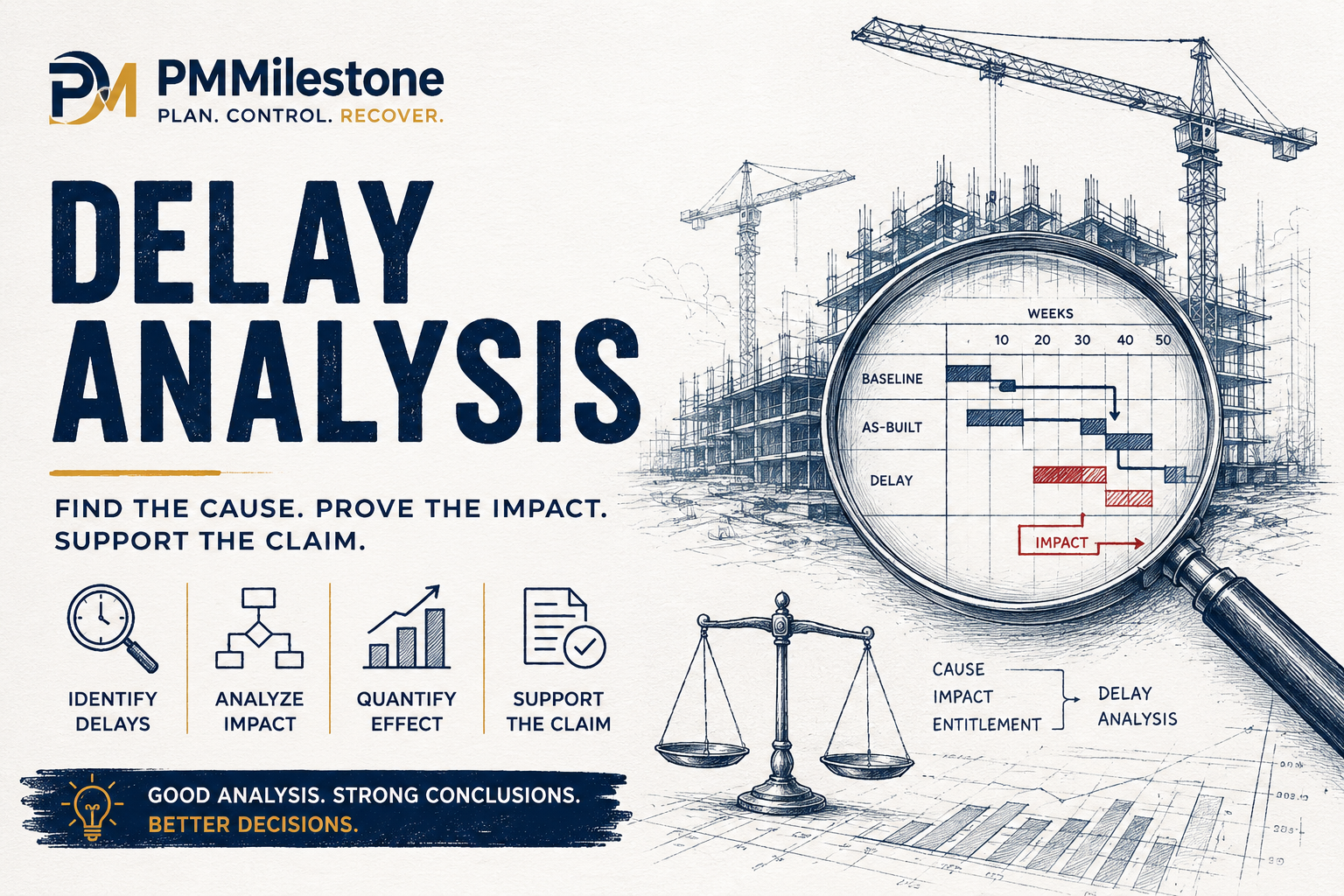
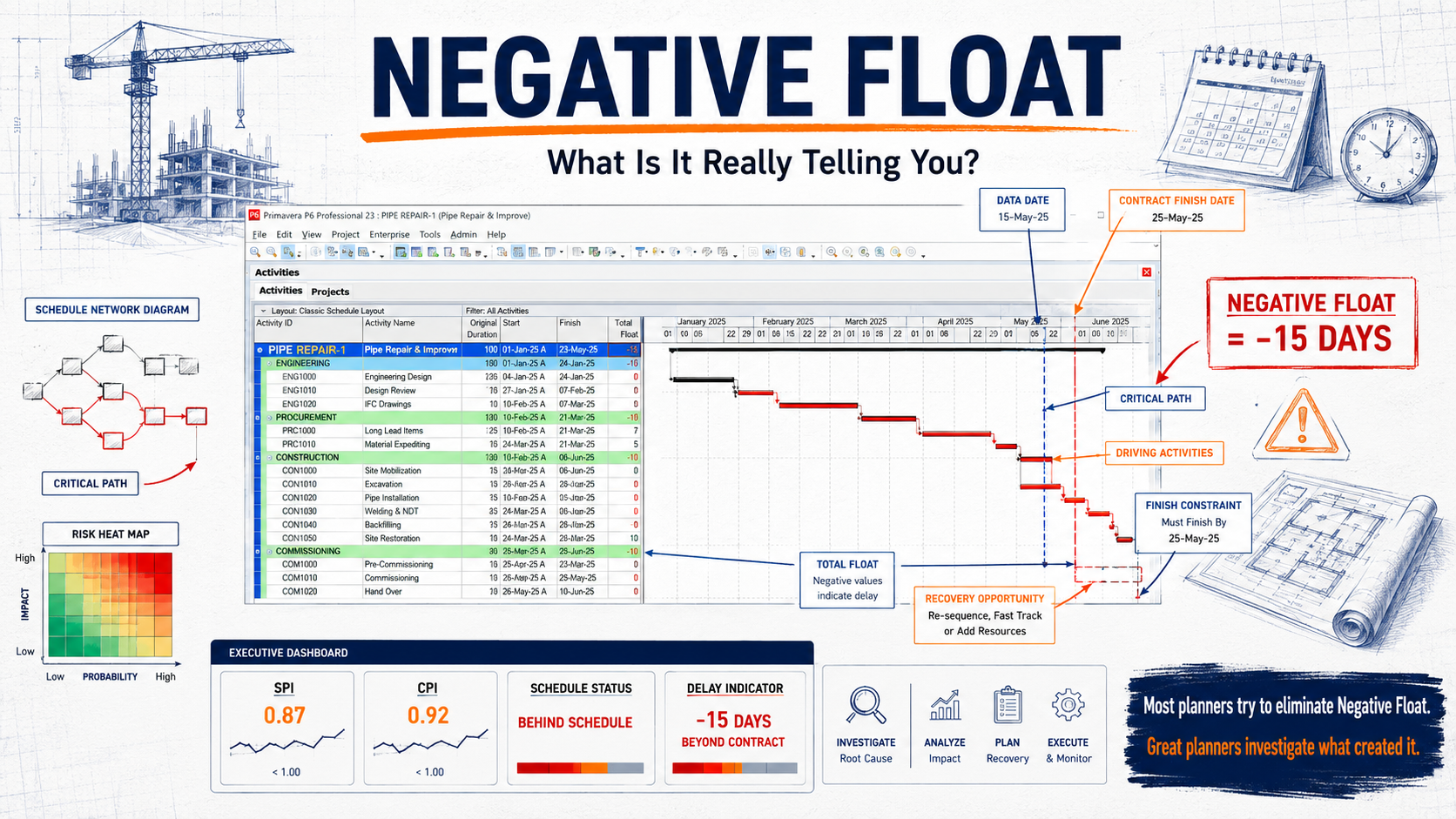
Most planners can spot that a project is late. Far fewer can prove who caused it, how much they caused, and what the contractual consequence is. That gap — between observation and proof — is the entire field of delay analysis. It exists because schedule slippage is almost always the product of multiple overlapping causes, with concurrent delay, mitigation efforts and recovery actions all interacting on the critical path at the same time.
The Society of Construction Law (SCL) Delay and Disruption Protocol, now in its 2nd edition, is the de facto reference. It defines six recognised methodologies and gives guidance on when each is appropriate. The AACE Recommended Practice 29R-03 is the parallel reference in the AACE world. Both agree on the principle: the methodology should fit the evidence available, the contract under which the claim is being made, and the stage at which the analysis is being done.
Methodology 1: Impacted as-planned
Impacted as-planned takes the baseline schedule and inserts delay events into it as additional activities or duration extensions, then re-runs the CPM. The result is a forecast of what the completion date would have been if only those events had happened and nothing else changed.
It is the simplest methodology and the easiest to manipulate. It ignores the as-built reality of the project, which means it can show entitlement that never actually happened on site. Tribunals and adjudicators treat it with scepticism. Useful at the start of a project for forward-looking time-impact assessment of a single change, but rarely sufficient on its own for a final claim.
Methodology 2: Time impact analysis (TIA)
TIA is a sequence of impacted-as-planned analyses, each done at the time the delay event occurred and using the most recent updated schedule as the starting point. Each TIA produces an entitled extension of time for that one event. The final position is the sum of the entitled extensions, with concurrency adjustments.
TIA is the methodology required by most modern construction contracts (NEC, FIDIC with the right amendments) for prospective extension of time claims. It is contemporaneous, which gives it strong evidentiary value. Its weakness is that it depends on the contractor having maintained good updated schedules — a flat or stale schedule cannot support credible TIA. The Delay Impact Calculator can quantify single-event TIA effects against your own updated programme.
Methodology 3: As-planned vs as-built (windowed)
Windowed as-planned vs as-built divides the project into time windows — usually monthly — and compares the as-planned and as-built schedules in each window. Delays are attributed within the window to specific events based on contemporaneous evidence. The cumulative result is the apportionment of the total slip.
This is the most evidence-heavy methodology and the one most respected by tribunals when done well. It rewards strong documentation — daily site reports, RFIs with dates, instruction logs, weather records, progress photos — and punishes projects that have not kept them. It is also the most labour intensive, often taking weeks of work for a full forensic analysis on a multi-year project.
Methodology 4: Collapsed as-built (but-for)
Collapsed as-built starts from the as-built schedule and removes the delay events one at a time, recalculating the critical path each time. The difference between the actual completion and the collapsed completion is the impact of the removed event.
It is retrospective, which makes it useful at the end of a project when all evidence is available. Its weakness is that removing an event from a real history is artificial — projects do not respond linearly to the removal of any single cause — and tribunals are increasingly cautious about reading too much causation into the results. Most often used as a corroborating analysis alongside windowed as-planned vs as-built.
Methodology 5: Longest path analysis
Longest path analysis tracks the actual longest path through the as-built schedule and identifies which activities drove the end date at each stage. It is descriptive rather than apportionive — it tells the story of which work was on the critical path when, but it does not by itself attribute cause.
Useful as a narrative tool to explain to a tribunal or adjudicator how the project unfolded, particularly when combined with windowed as-planned vs as-built to attribute cause within each window. The Critical Path Risk Score tool helps quantify where critical path stability has been weakest across the project.
Methodology 6: Half-step / fragment-based analysis
On smaller claims or in arbitration where a full forensic analysis is disproportionate, fragment-based analysis takes the few key delay events and models their critical path impact using a fragment — a small subnet of the schedule — rather than the full programme.
It is faster and cheaper than full TIA or windowed as-planned vs as-built and is broadly accepted in adjudication. The trade-off is that it is harder to defend on cross-examination and tends to undercount disruption effects.
Concurrency: the question that decides most claims
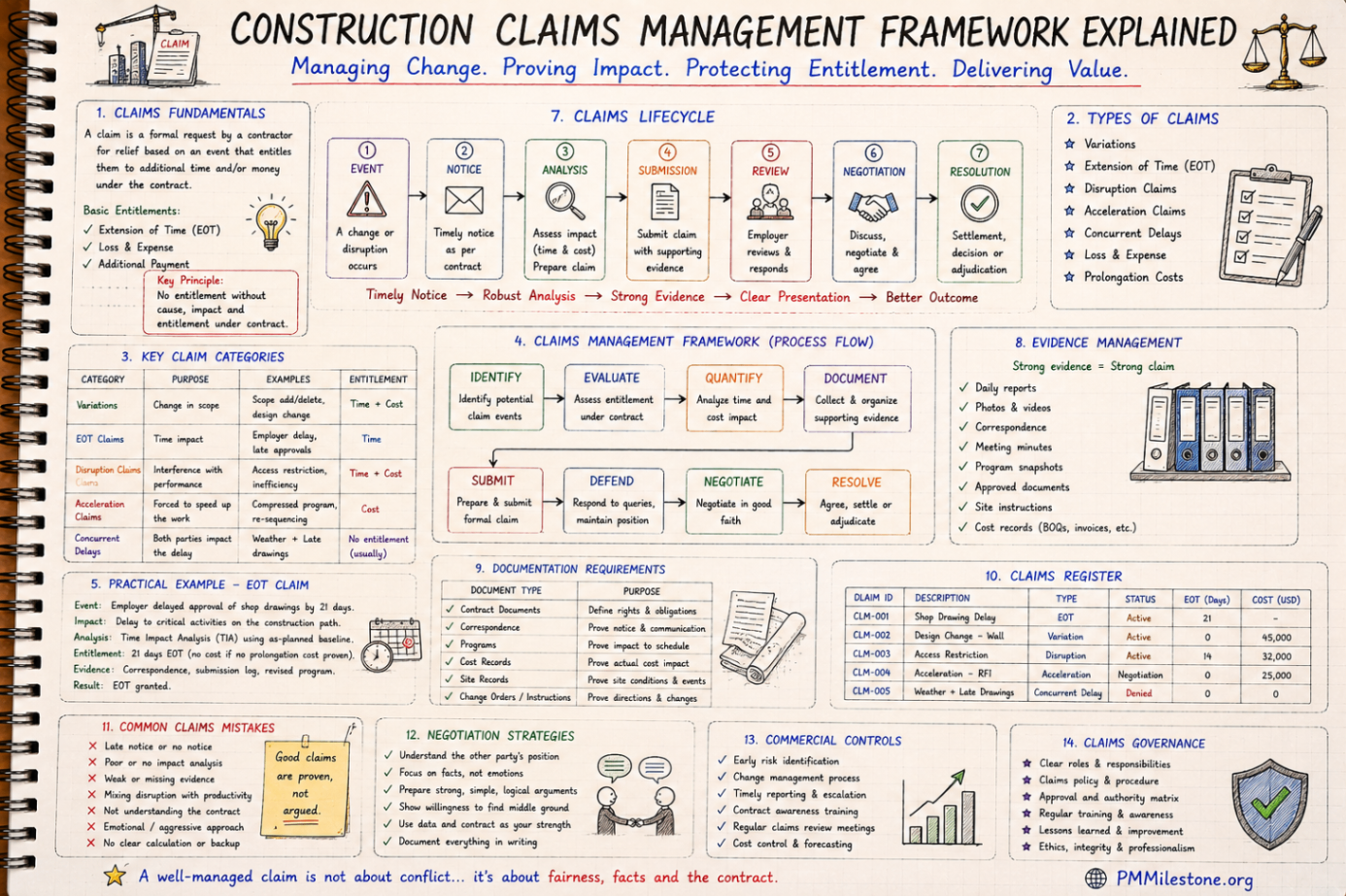
Concurrent delay is two or more delay events with different responsibility running on the critical path at the same time. The legal treatment of concurrency varies by jurisdiction. The English common-law position broadly follows the Henry Boot principle — where contractor and employer delays are truly concurrent on the critical path, the contractor is entitled to an extension of time but not to prolongation costs.
The Society of Construction Law Protocol defines concurrency narrowly and excludes sequential delays that simply overlap. Many claim disputes turn on whether two events were genuinely concurrent or simply overlapping, and the methodology used to test that question matters enormously. TIA and windowed as-planned vs as-built handle concurrency differently and produce different entitled extensions; expect the choice of methodology to be challenged in dispute.
Evidence: the unglamorous part that wins claims
Methodology is the visible part of delay analysis; evidence is the part that decides outcomes. The evidence pack for a defensible claim typically includes: contemporaneous schedule updates (monthly at minimum), daily site diaries, RFIs and responses with dates, instruction logs, weather records, photographs with metadata, drawing revision logs, procurement and delivery records, and contemporaneous correspondence between contractor and employer about the delay events.
Projects that keep this evidence systematically — through document control systems, photo apps and disciplined schedule updates — can defend almost any methodology. Projects that try to assemble it retrospectively from email archives and personal recollection produce claims that fall apart on cross-examination. The investment in evidence happens at the start of the project, not at the end.
Quantum: from delay to money
Once an extension of time has been established, quantum — the money — is a separate calculation. Time-related costs are typically the contractor's site overheads (preliminaries) prorated to the entitled extension, plus head-office overheads recovered through formulas such as Hudson, Emden or Eichleay, plus financing and inflation effects on the extended work.
Disruption costs — productivity loss from out-of-sequence work, stacking of trades, learning-curve loss on repetitive tasks — are quantified separately using measured-mile, baseline productivity or industry-loss-of-productivity studies (such as MCAA). Disruption is usually under-claimed because it is harder to evidence than direct delay; investing in productivity baselines early in the project pays back here.
Putting the methodologies together
Mature delay-analysis practice almost never uses a single methodology. The typical pattern is windowed as-planned vs as-built as the primary analysis, corroborated by TIA on the major individual events and longest path analysis as the narrative thread. Quantum is calculated separately from time entitlement, and the whole package is wrapped in a clear narrative that a non-technical tribunal member can follow.
The Construction Delay Analysis pillar article and the Earned Value Management track complement this learning track by linking the analytical foundations to the broader controls system that produces the evidence.
Frequently asked questions
Which methodology is most accepted by adjudicators?
Time impact analysis for prospective claims and windowed as-planned vs as-built for retrospective forensic claims are the two most widely accepted.
Do I need a separate quantum expert?
On significant claims yes — delay analysts establish entitlement to time, quantum experts convert it to money. The disciplines overlap but are distinct.
Can I do delay analysis without monthly schedule updates?
Not credibly. Stale or missing updates undermine every methodology except retrospective as-built reconstruction, which is the weakest.
How is concurrency decided?
Contractually and legally, with the methodology providing the technical evidence. Treat concurrency as a separate legal question, not just an analytical one.
Next steps on PMMilestone
Use these pages to deepen the topic, verify terminology, compare real cases and move from theory into applied project controls practice.
Related calculators
Open the calculators referenced in this article and run them against your own project numbers.
Delay Impact Calculator
Estimate the financial impact of project delays.
Open ScheduleSchedule Compression Calculator
Cost per day of crashing the schedule.
Open ScheduleCritical Path Risk Score
Score the fragility of your critical path.
Open ScheduleFloat Erosion Analyzer
Track total float consumed on critical paths.
Open ConstructionVariation Order Impact Calculator
Variation value as % of contract.
Open ConstructionSubcontractor Performance Score
Composite score across quality, schedule, safety, cost.
OpenOther learning tracks
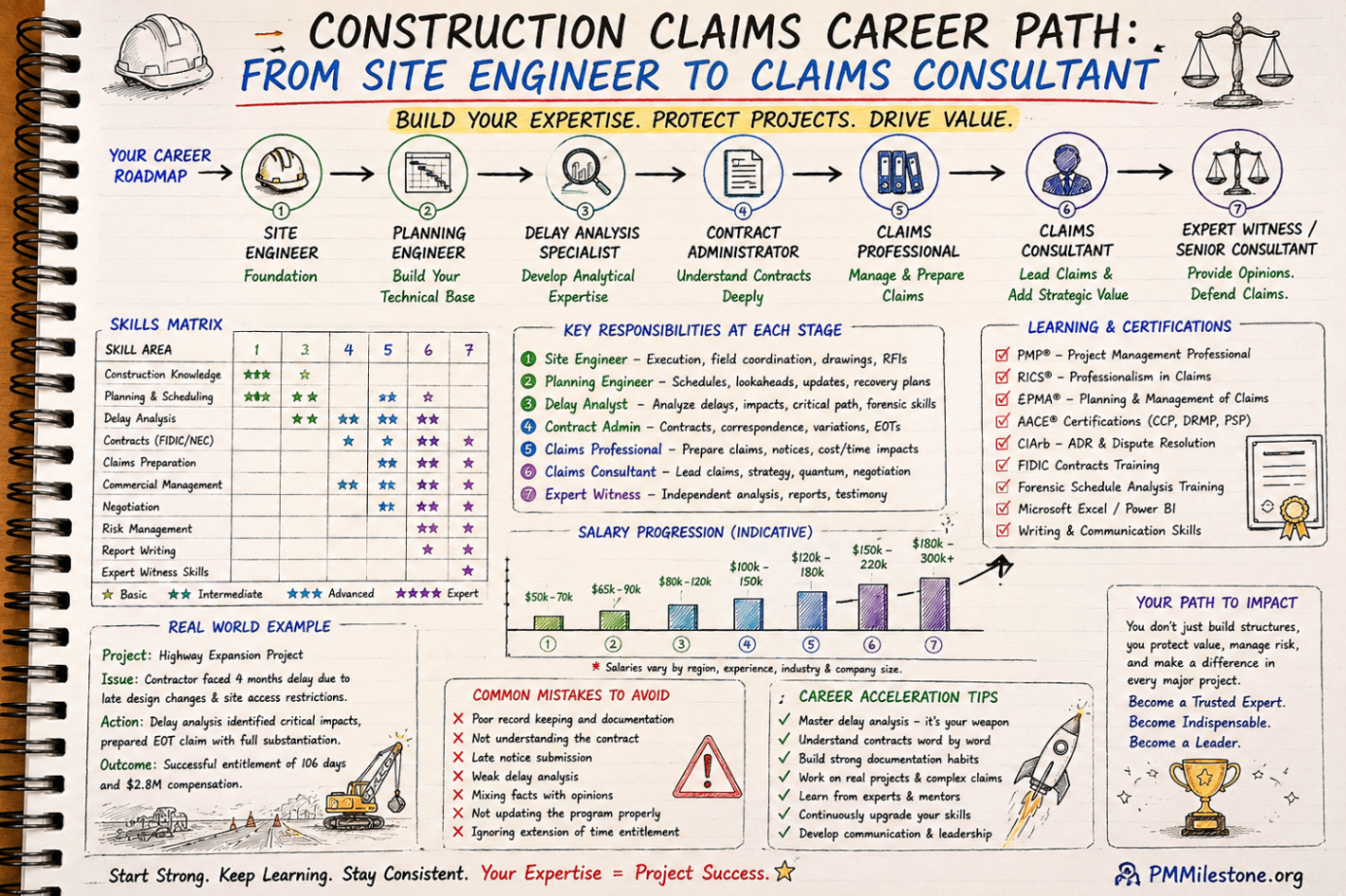
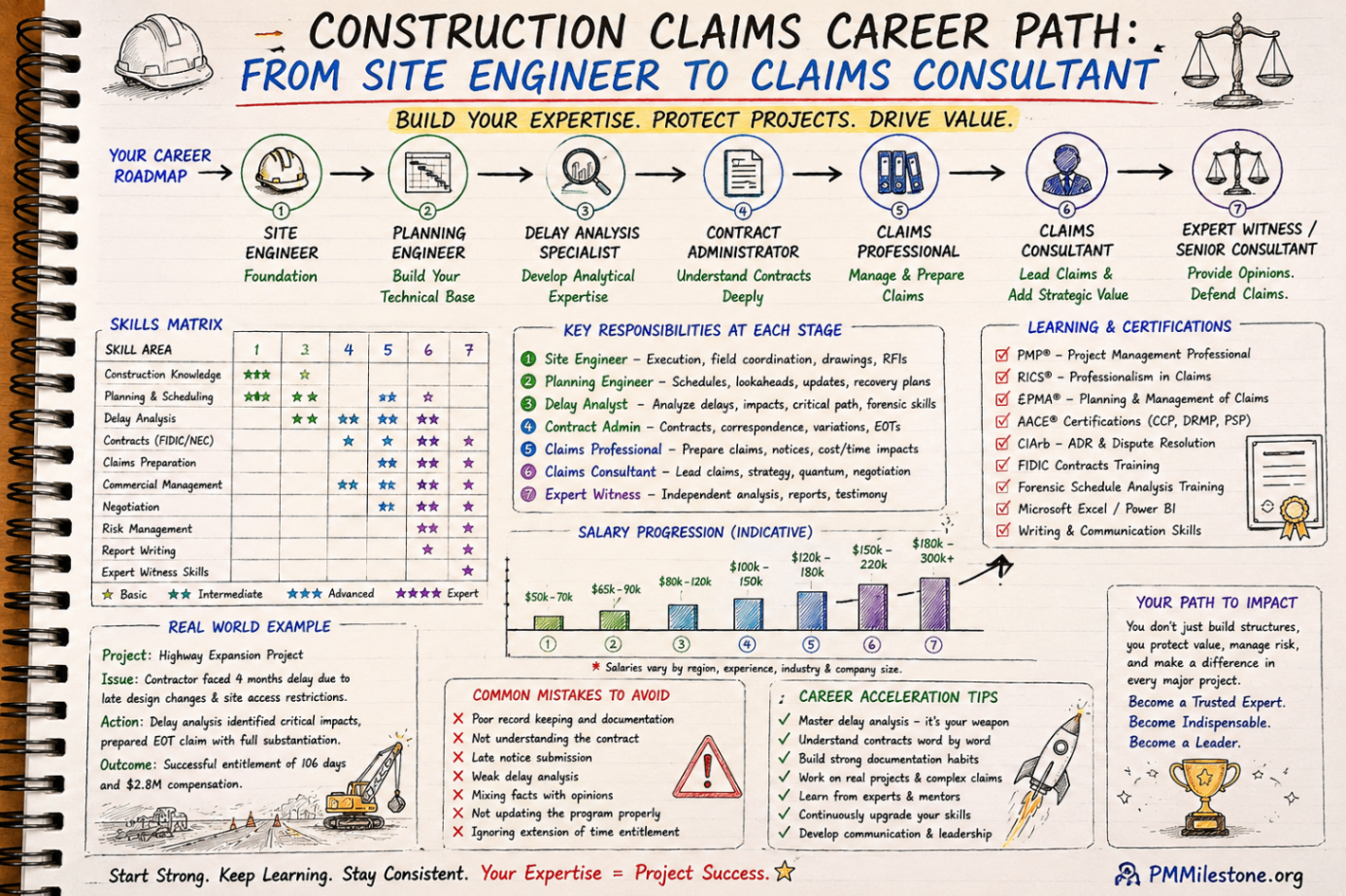
Construction Claims Career Path
A practical roadmap for engineers moving from site delivery into planning, delay analysis, claims, commercial controls and senior claims consulting.
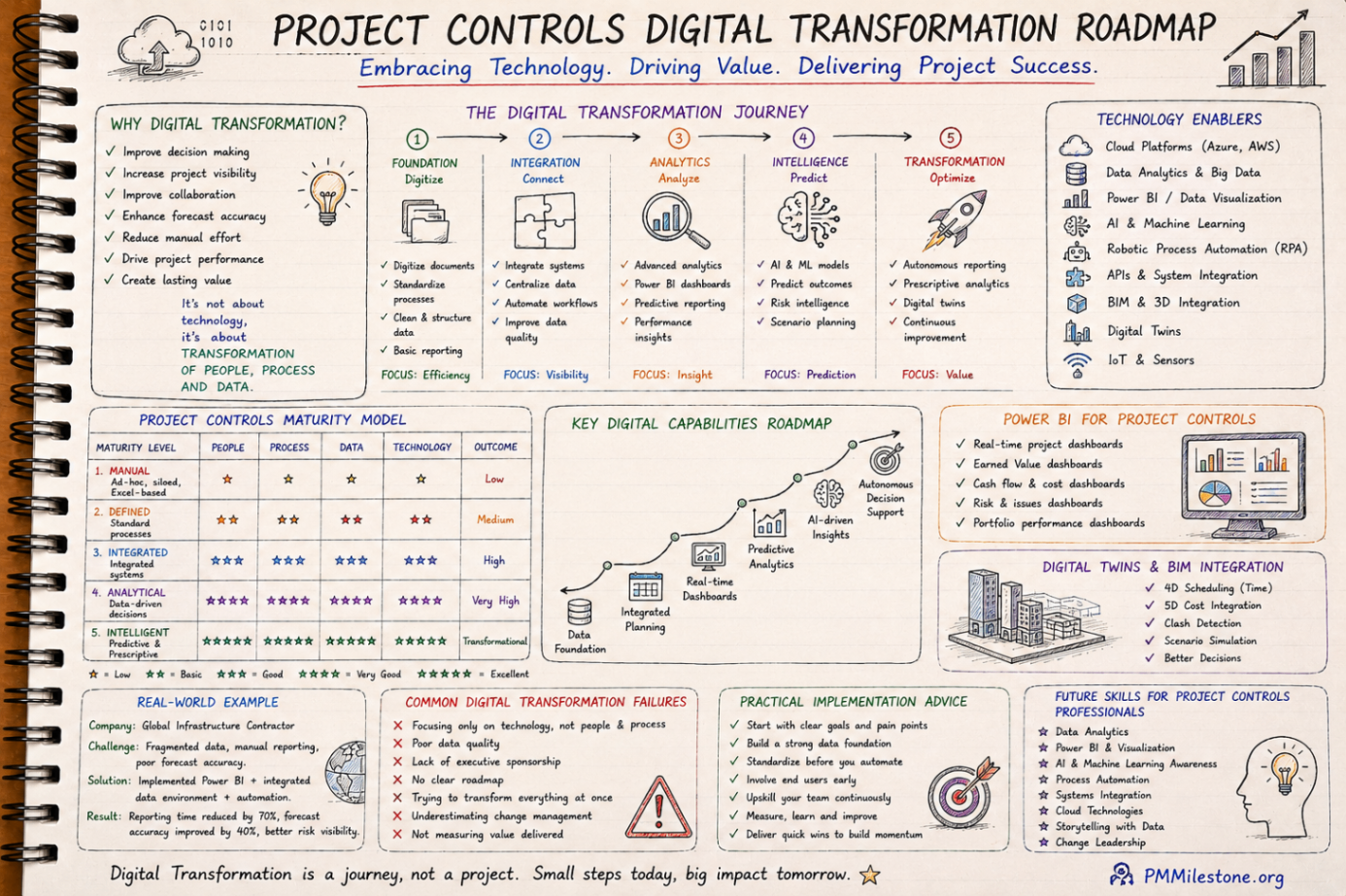
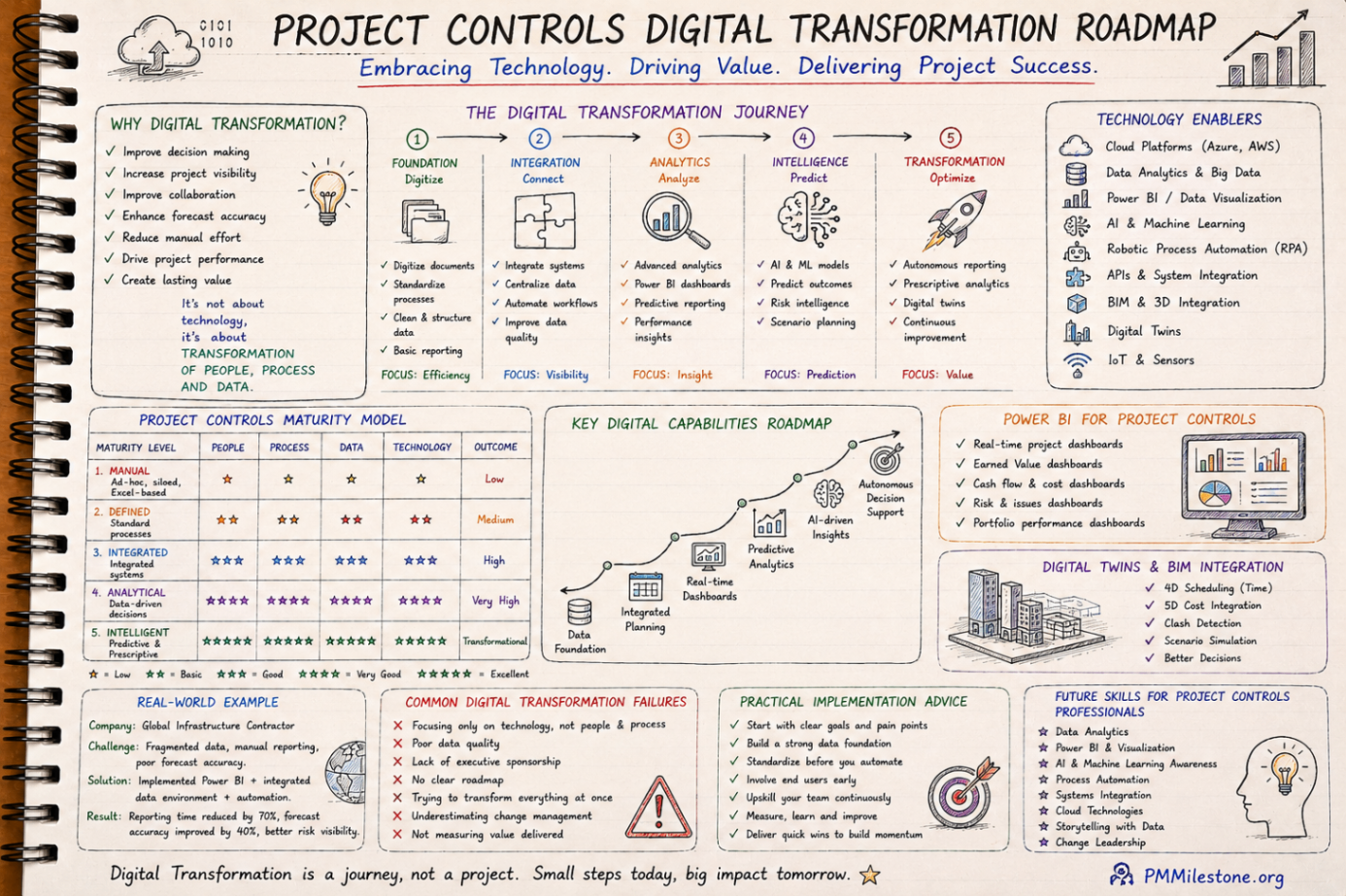
Project Controls Digital Transformation Roadmap
A future-focused guide to modern project controls through data integration, reporting automation, Power BI, AI, BIM and digital PMO capability building.
Project Controls Fundamentals
Scope, schedule, cost, risk, quality and reporting — the six disciplines that hold every successful capital project together, taught from first principles.