From Planning Engineer to Project Controls Director
Skills · Certifications · Salary · A career-progression roadmap that actually works

The jump from planning engineer to project controls director is not one promotion — it is four or five distinct transformations stacked on top of each other. I have made that journey, and I have hired and mentored people at every rung of it. The engineers who stall are almost never the ones who lack technical skill. They stall because they keep trying to win the next role with the skills that won them the last one.
The career ladder, level by level
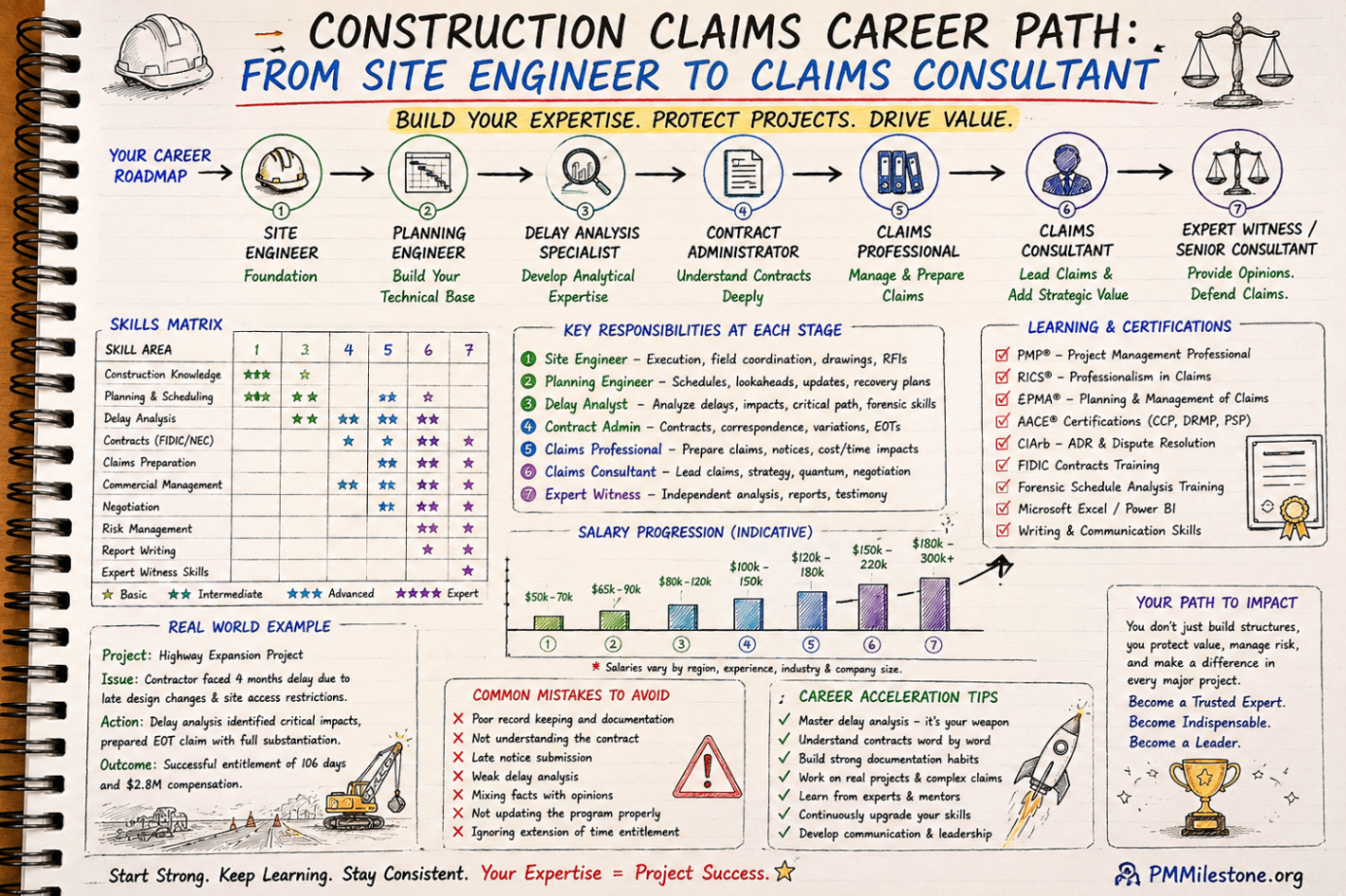
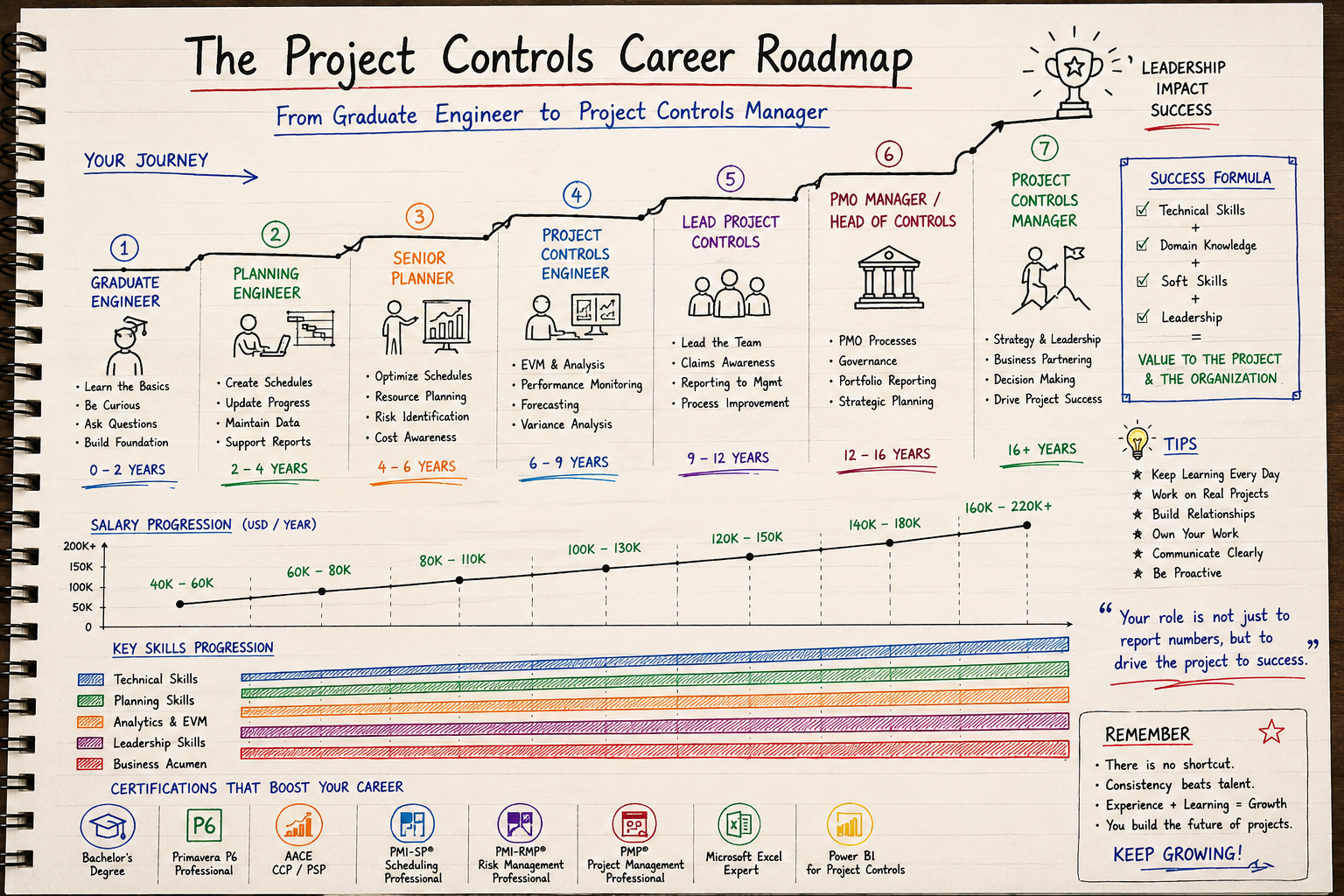
Project controls is unusual in that you can build an entire, well-paid career without ever managing a project in the traditional sense. The discipline has its own ladder, running from graduate planner to a director who owns the controls function across a portfolio.
| Level | Core responsibility | Span |
|---|---|---|
| Assistant / Graduate Planner | Updating schedules, progress capture, supporting the planner | A few activities or a single work package |
| Planning Engineer | Owning a project schedule end to end — baseline, update, analysis | One project or major package |
| Senior Planner / Scheduler | Complex schedules, integration, mentoring juniors | One large project or several small |
| Project Controls Lead | Integrating cost, schedule, risk and reporting on a project | A whole project's controls function |
| Project Controls Manager | Standards, systems and people across multiple projects | A programme or business unit |
| Project Controls Director | Strategy, governance, assurance and capability across the portfolio | The whole organisation's controls |
The shift that catches people out
Here is the single most important idea in this guide. As you climb, the share of your value that comes from technical skill falls, and the share that comes from commercial judgement and leadership rises. A brilliant planner is rewarded for the schedule they build. A director is rewarded for the schedules their whole team builds, the standards that make those schedules trustworthy, and the conversations they have with clients and executives when the numbers are bad.
Technical skills: the foundation you never abandon
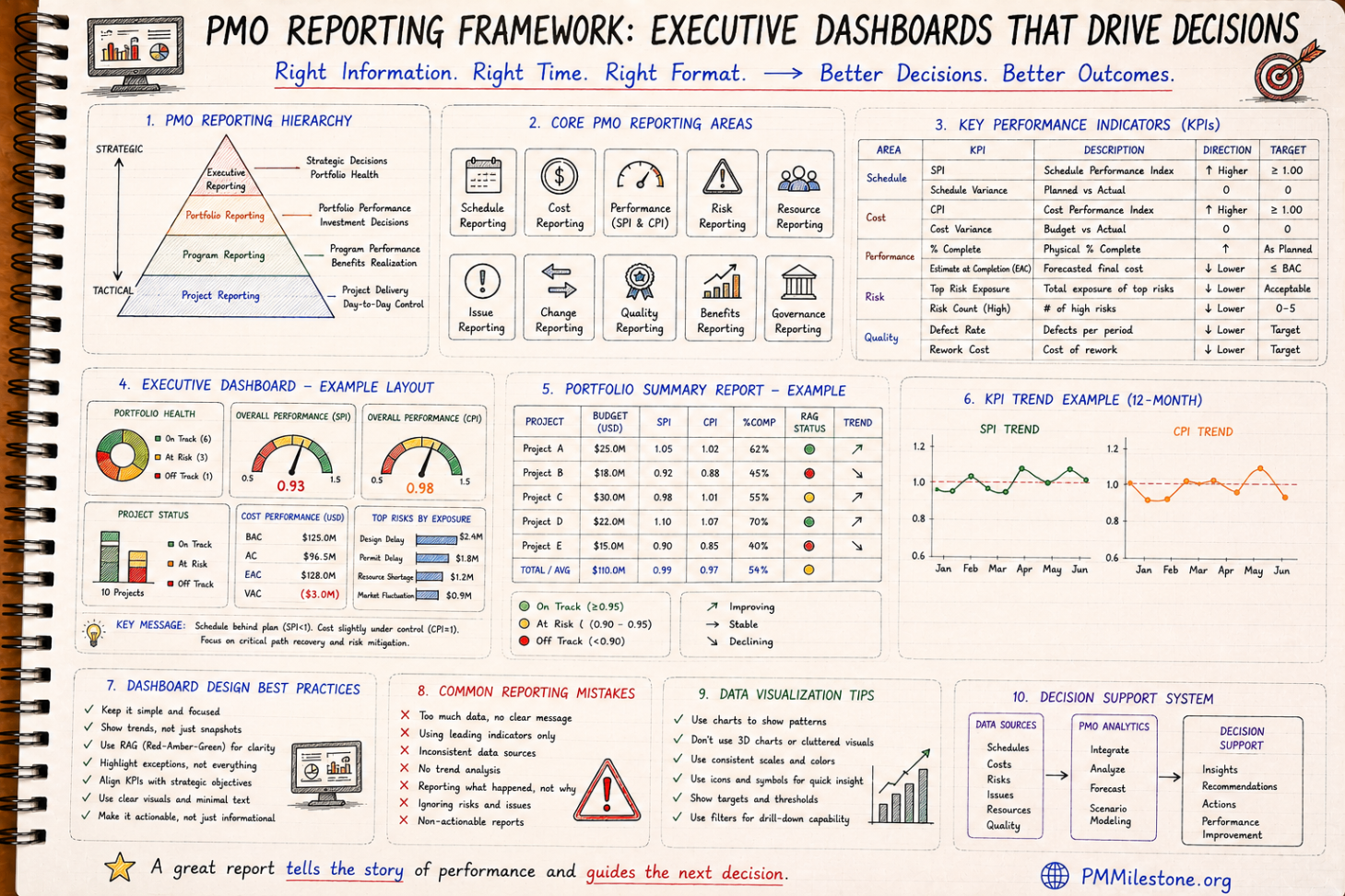
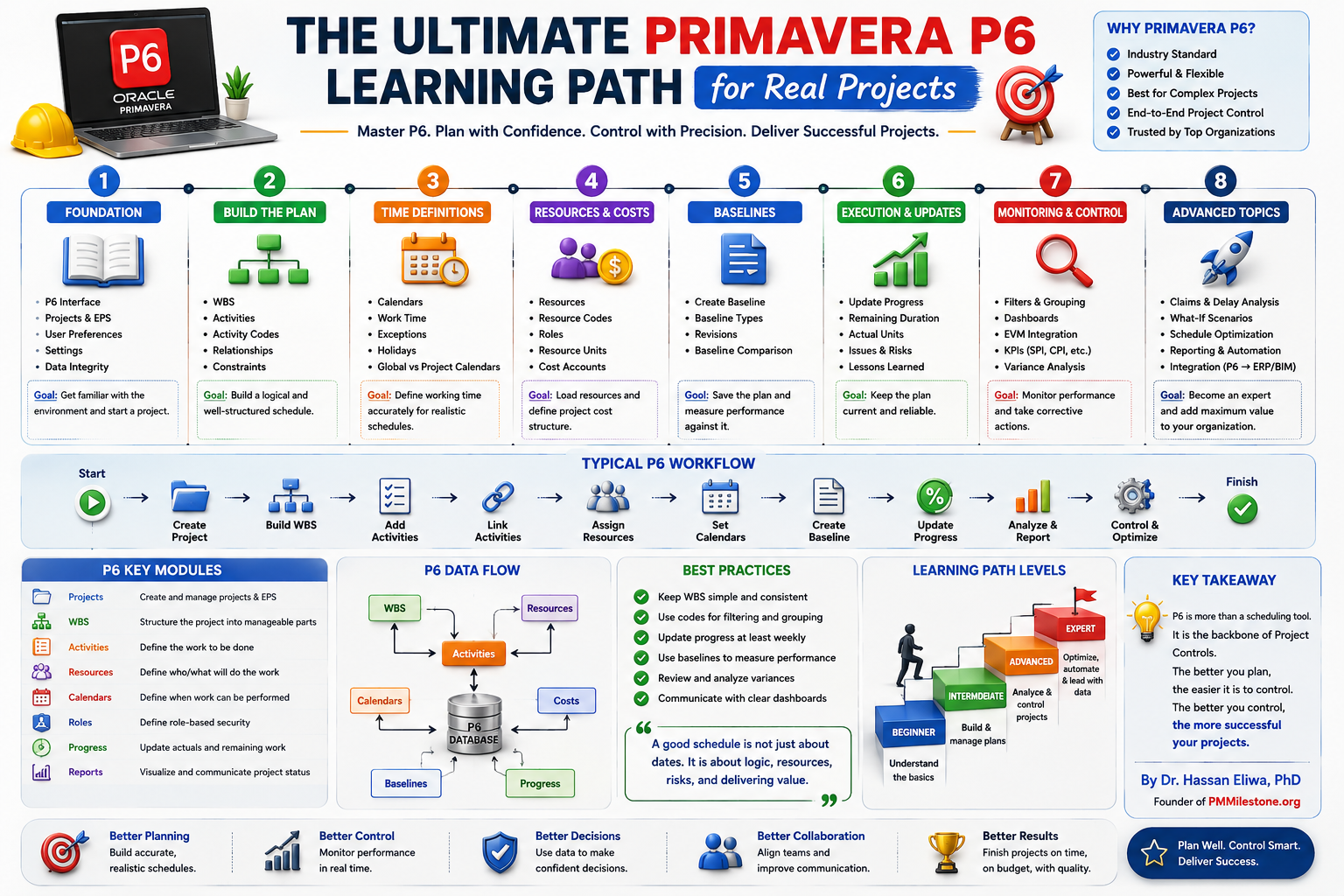
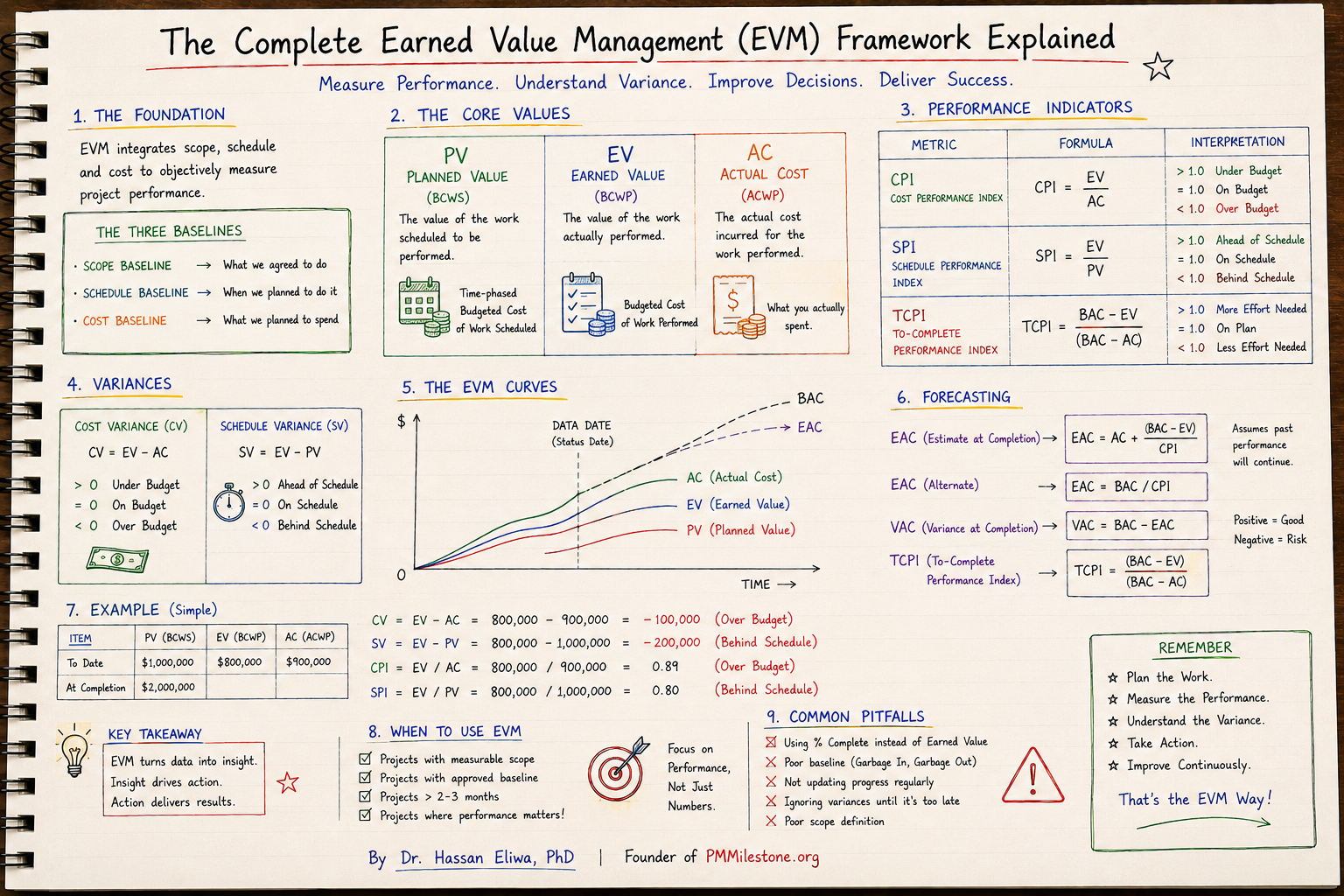
Critical path method scheduling in Primavera P6 and Microsoft Project, cost control and earned value, risk analysis, progress measurement, and increasingly 4D modelling and data visualisation in tools such as Power BI. Master these early. Practise them on real numbers using our CPI, SPI and EAC calculators.
Commercial skills: the bridge to seniority
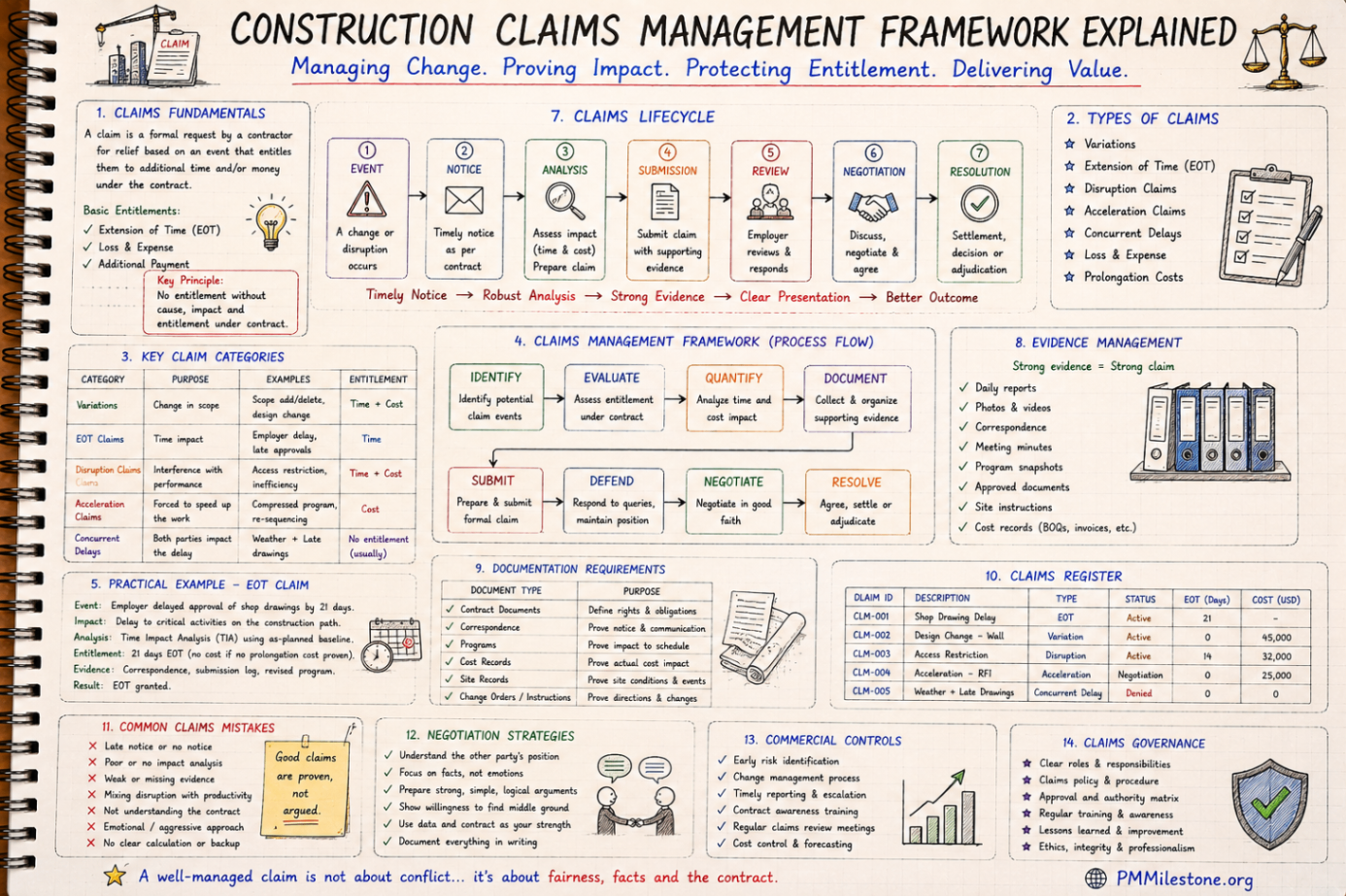
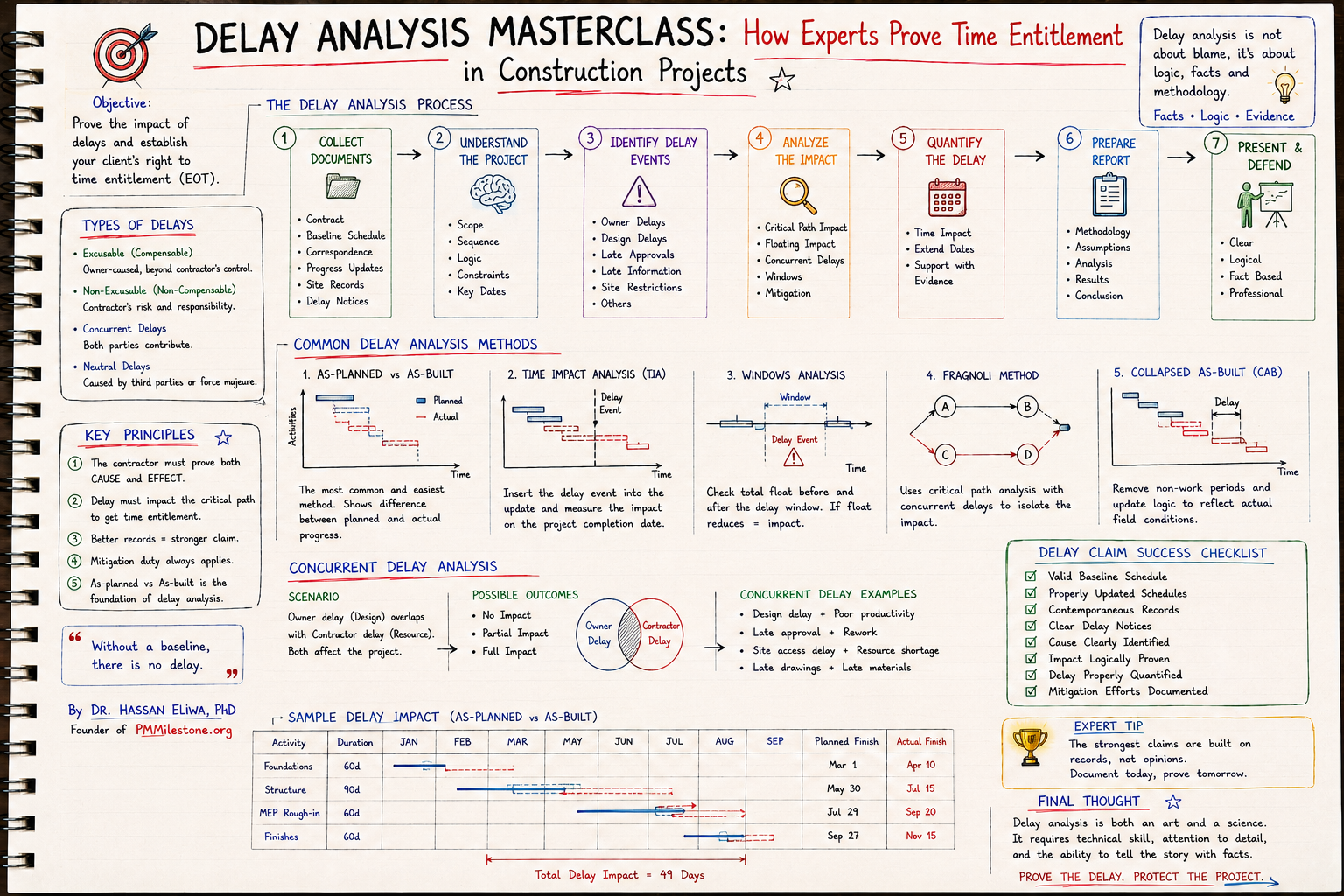
Around the lead and manager level, the conversation changes from "what does the schedule say" to "what does the schedule mean for the money". Change control, delay and disruption, contract awareness, forecasting cash and contingency — these commercial skills are what let your analysis influence decisions rather than just describe them. Our pillar on delay analysis, claims and EOTs is a deliberate next step here.
Leadership skills: the work at the top
At manager and director level the job is people and systems. Building a team, setting standards that survive your absence, coaching planners through their own transitions, and — this is the hard one — delivering uncomfortable truth to executives and clients without losing the relationship.
Certifications that match each stage
| Career stage | Certifications to target | What it signals |
|---|---|---|
| Planning Engineer | CAPM, then PMI-SP or AACE PSP | You own the scheduling craft |
| Senior Planner | PMI-SP / PSP consolidated; begin PMP | Depth plus broadening context |
| Controls Lead | PMP, PMI-RMP | You can integrate and lead a function |
| Controls Manager | AACE CCP, EVP | Full command of cost, schedule and EVM |
| Controls Director | Credentials maintained; focus on governance | Credibility and assurance, not gate-clearing |
See the full breakdown of credentials, costs and study strategy in The Complete Project Controls Certification Guide (2026).
Salary: what the climb is actually worth
Salary in project controls is driven by three things: your level, your market, and whether you contract or take a permanent role. Two patterns are worth internalising. First, the biggest single jumps in earning power come at the transitions into lead and into director, because those are the points where your span of responsibility multiplies. Second, the premium for specialist scarcity is real: a planner who can also run quantitative schedule risk analysis, or a controls lead who is fluent in claims, commands more than a generalist at the same level.
How long does the journey take?
The years matter less than the transitions. I would rather see an engineer with eight years who has genuinely made the commercial and leadership shifts than one with fifteen years who is still, in truth, a very experienced planner. Time accumulates automatically; transformation does not.
Lessons from a real progression
One of the strongest controls leaders I worked alongside started as a graduate planner on a water programme. For the first three years she was, by her own description, "just a P6 operator." What changed her trajectory was a deliberate decision to stop waiting for permission. When a delay event hit a treatment plant package, she did not just update the schedule — she built the time impact analysis, costed the disruption, and walked the project manager through the commercial exposure. That single piece of work repositioned her in the eyes of the leadership team.
Frequently Asked Questions
Can I reach director level without ever becoming a project manager?
Yes. Project controls has its own leadership ladder that runs parallel to project management. A controls director owns the controls function — the standards, systems, assurance and people — across a portfolio, which is a distinct and senior career in its own right.
Should I contract or stay permanent if I want to reach the top?
Both routes can get you there, but they suit different temperaments. Contracting builds breadth and a higher day rate quickly. Leadership roles are more often filled from permanent staff who have built teams and owned standards over time.
How important is a PhD or master's degree for senior controls roles?
Useful but not essential. Advanced study signals analytical rigour and helps in assurance-heavy, technically complex programmes. But it never substitutes for delivery experience.
What is the single biggest blocker to progression you see?
Refusing to leave the technical comfort zone. The planners who break through reframe commercial and leadership work as the actual job at senior levels and start practising it early.
Related guides on PMMilestone
Continue your reading with closely related Academy guides and references.
- Learning trackComplete Project Controls Certification Guide (2026)PMP, PMI-SP, PMI-RMP, CCP, PSP and EVP compared side by side for planning and cost professionals.Open
- Knowledge pillarEarned Value Management — Ultimate GuidePV, EV, AC, CPI, SPI, EAC, TCPI, S-curves and a worked construction example.Open
- Knowledge pillarConstruction Delay Analysis, EOTs & RecoveryFive forensic methods, concurrency, prolongation cost and recovery playbook for construction disputes.Open
- HubAcademy — Learning tracks hubAll long-form Academy learning tracks organised by discipline.Open
Related resources
Hand-picked tools, glossary entries, case studies and Academy pages to deepen this topic — curated by Dr. Hassan Eliwa, PhD.
Relevant calculators
Learning tracks
Knowledge pillars
Reference & glossary
Case studies & failures
Author & authority
- Founder — Dr. Hassan Eliwa, PhD
- About PMMilestone.org
- Publications by Dr. Hassan Eliwa
- Reviewed & maintained by the PMMilestone editorial team
Books by the author
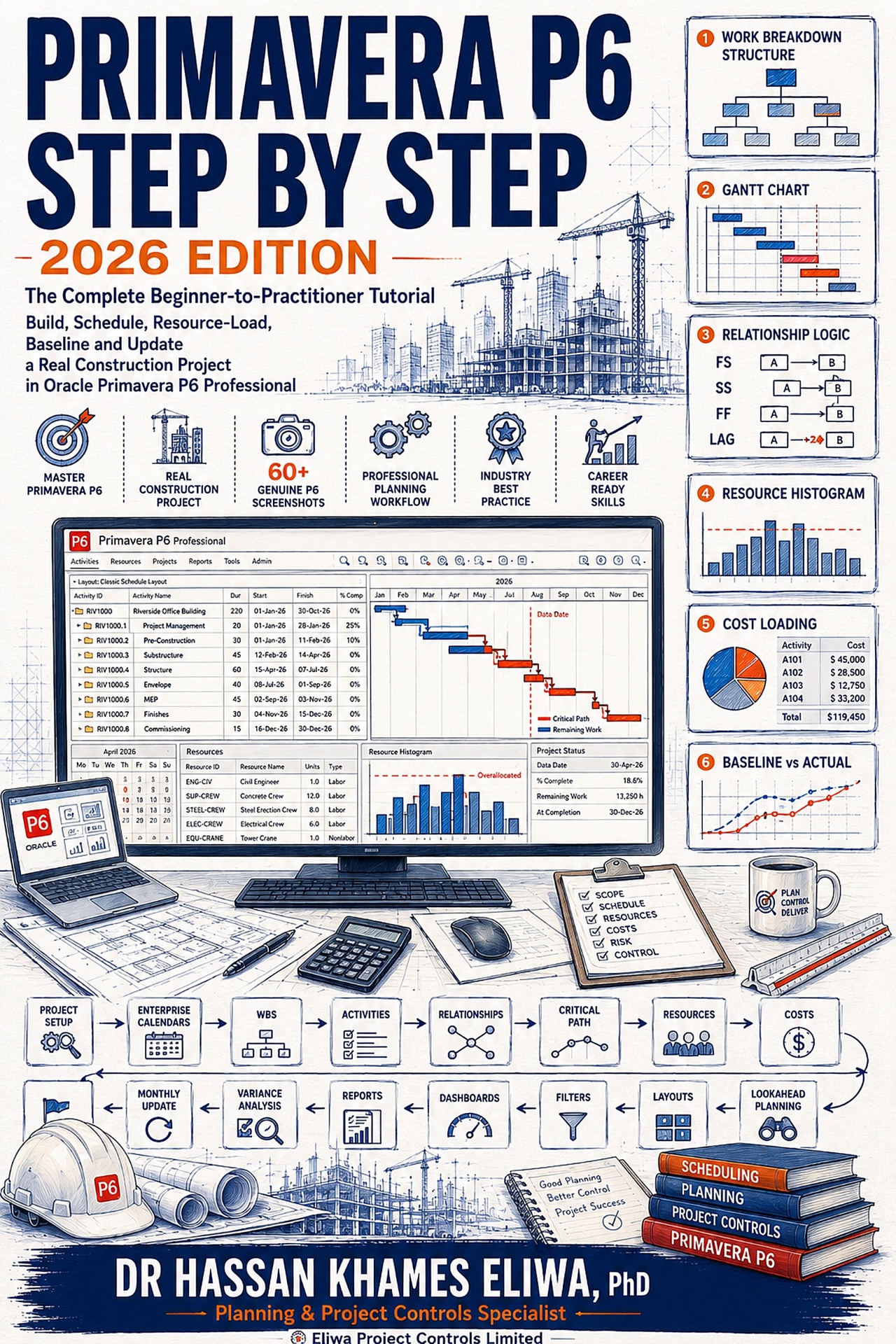
- Primavera P6 Step by Step — 2026 Edition— hands-on P6 tutorial with 60+ screenshots
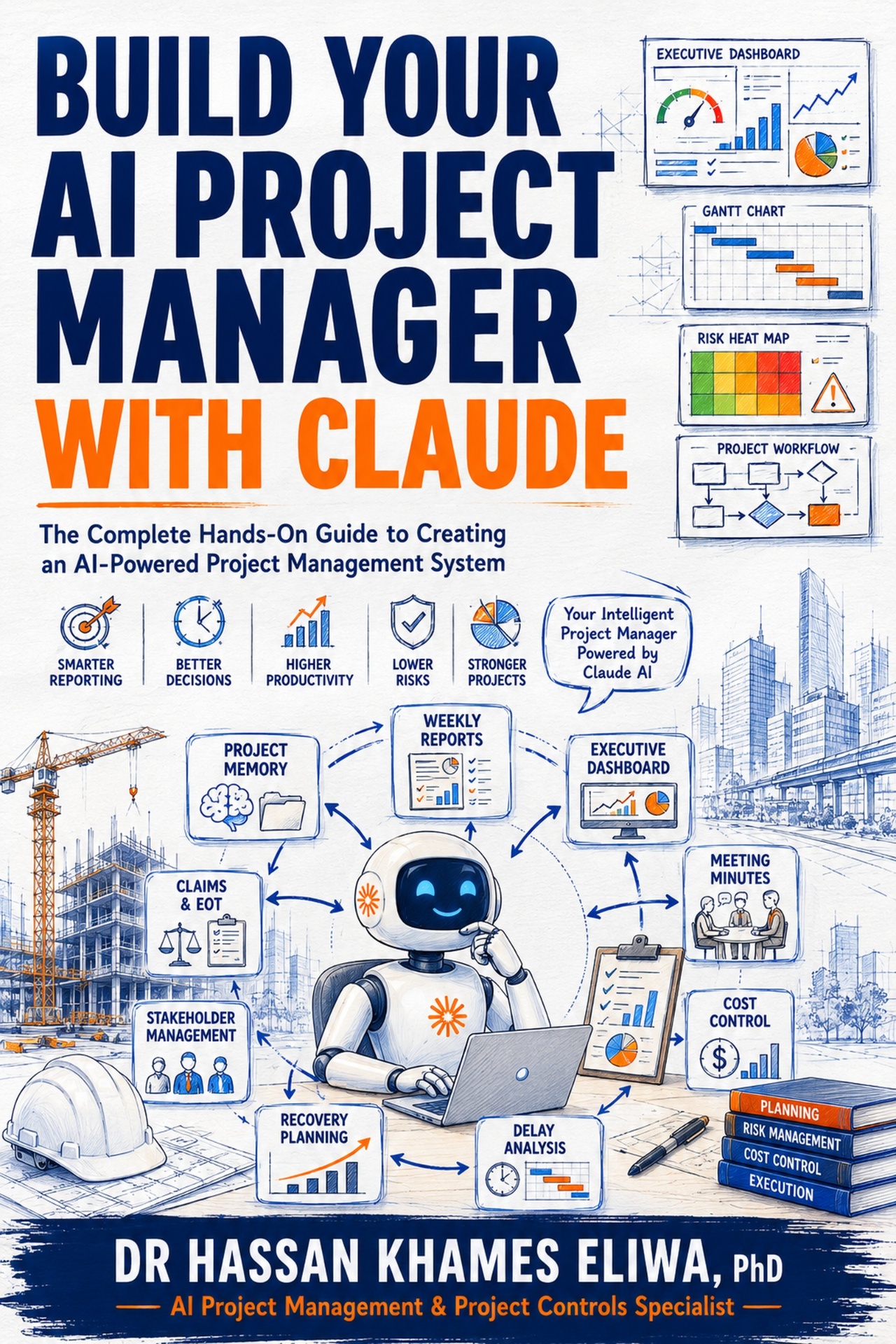
- Build Your AI Project Manager with Claude— turn Claude into your PM co-pilot
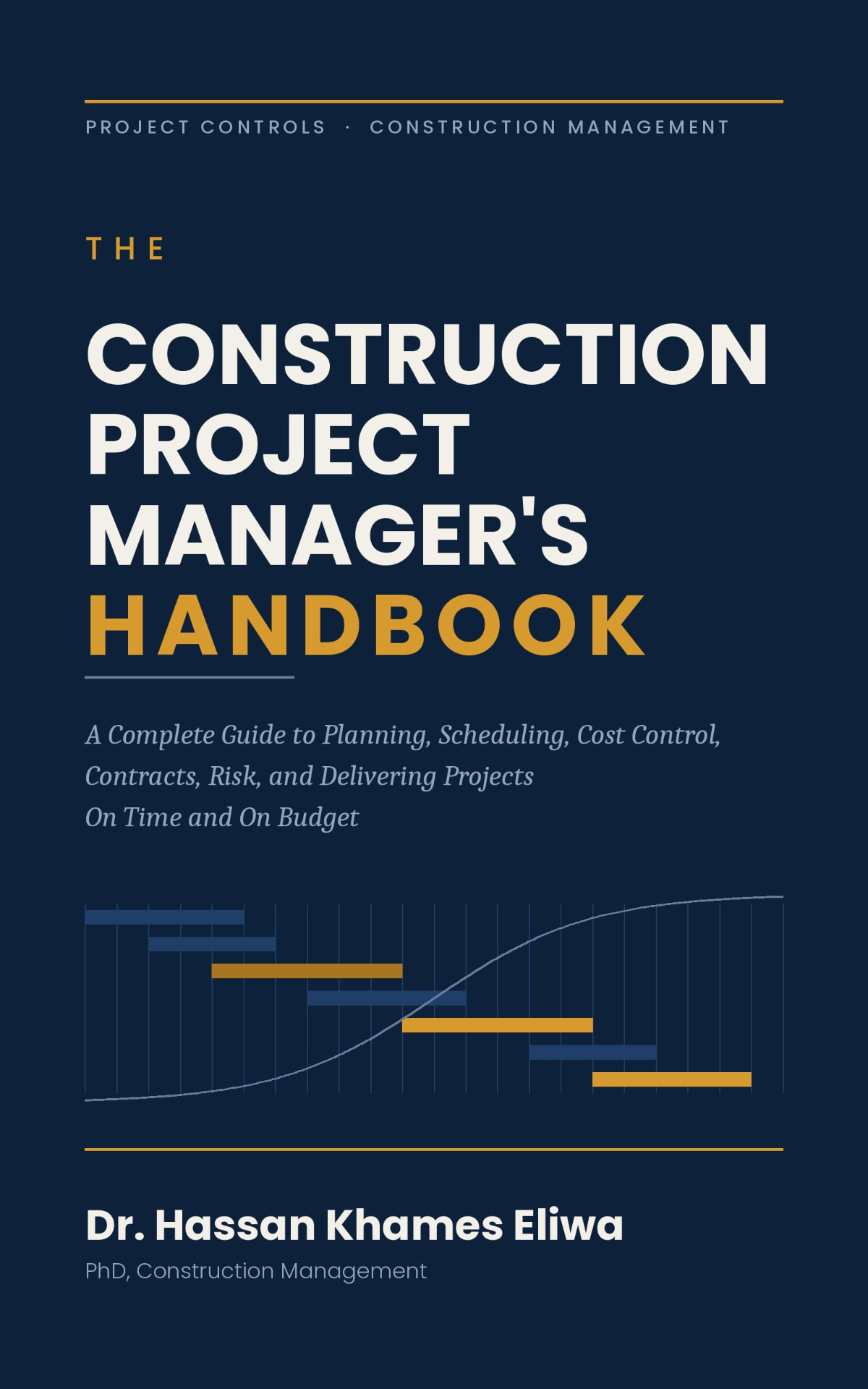
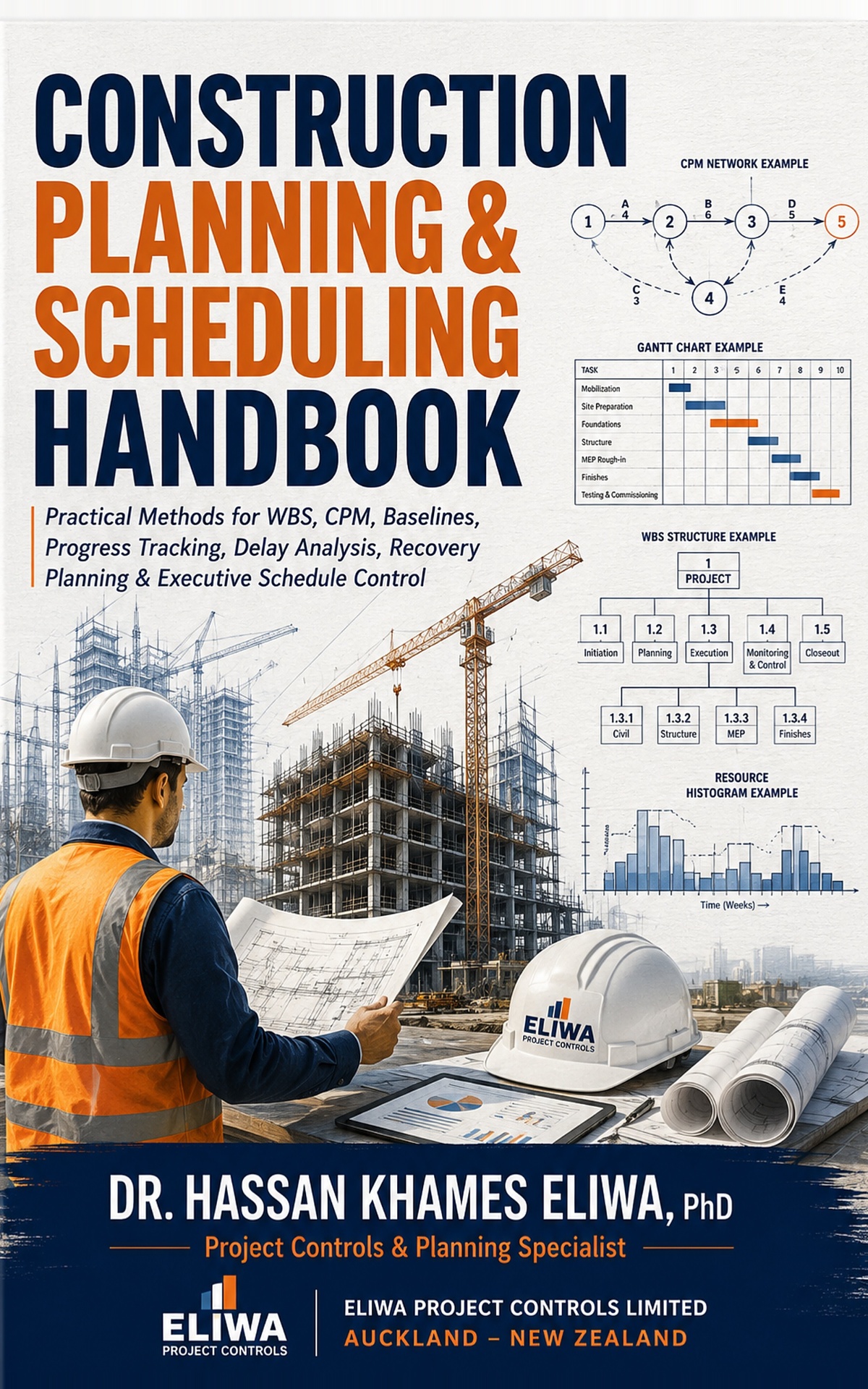
- Construction Planning & Scheduling Handbook— WBS, CPM, EVM & delay analysis
- All books & publications →